-
Curator/theme 2024
PLAY
If last year we called for a PAUSE, to stop and slow down, in this edition of Getxophoto we are encouraging you to do the opposite and press another button: this year, let’s hit PLAY.
But what does this mean? As well as being the most popular key on all our devices, the one we use to play images, music and all types of audio-visuals, play refers principally to the idea of starting up. It evokes stimulation and movement, impulse and liveliness. Just as we press play for our favourite songs, we press play in ourselves when we get going, when our spirits rise. And it is this idea of activation – pressing the button of life – that best corresponds to the original meaning of the word. Because to play is probably the most creative human occupation that exists.
Games are central to the history of humanity. However, for a long time they were considered an unimportant activity, a kind of back garden of culture; they have been confined to the world of childhood or identified only with toys. Nevertheless, playing is a complex activity that appears under different guises. Sports and competitions are games, as are betting and games of chance, and of course, all forms of entertainment, from video games to the performing arts because, in many languages, playing also means acting a part or playing an instrument.
Therefore, offering a single definition of playing is almost impossible. Some games impose many rules while others give way to the realm of total freedom; some are individual and others collective; some are pure fun and others are extremely serious. What is clear is that playing is a higher-order human practice, basic in learning, present in all areas of life and inseparable from the arts. When we say play, therefore, we refer to that immense universe of activations and, in particular, their impact on the imagination.
THE SACRED CIRCLE
If we look at the images that come to mind when we think about a game, they probably all have something in common; there is almost always an area marked out on the ground, a parallel world outside of reality, a social act governed by different rules or, in general, a state of exception separated from the ordinary course of things. Games, according to those who study them, are rather like a sacred circle, a space-time of a ritual nature that activates a community of the faithful around it. A football game is a ceremony, in the same way as a play that takes place on a stage. Just like a card game or a sack race. Just like a costume party or a video game session. All of these situations take place in specific environments, subject to their own laws.
The first to notice this ritual dimension of the game was a Dutch historian called Johan Huizinga who, in the 1930s, launched the provocative idea that human beings are not special because of our intelligence (homo sapiens) or for the manufacture of tools (homo faber), but because of our obsession with playing. In his essay Homo ludens (1938), he states that all important manifestations of culture –in all civilizations– have a component of play. From playing comes liturgy, poetry, philosophy, legal institutions and even war.
This sacred origin, linked to the transcendent construction of the community, is found in many games that survive to this day. In pre-Columbian America, the ball tournament represented a fight for mastery of the stars where the sphere –the ball– was the equivalent of the sun. In the East, kites symbolised the souls of the deceased, connected in imagination to the earth and given over to the movement of air currents. In ancient Egypt, the tombs of the pharaohs included draughtboards on which, under the auspices of Osiris, the deceased gambled on eternal life. According to Huizinga, playing has a symbolic function that synthesises and sublimates a social purpose. When staging an action, we are trying to influence the order of the cosmos and bring on an event. Rooted in ritual, play changes the world.
The next stage in the recognition of play as a cultural object worthy of study came with Donald W. Winnicott, a British paediatrician and psychoanalyst, and the author of the theory of the “transitional object.” This is Winnicott’s term for the object that helps the baby separate from the mother’s breast and recognise itself as independent. This object can be anything, although it almost always takes the form of a toy, but what is important is the transition phenomenon that accompanies it. Play, says Winnicott, is an early form of thinking. When they play, the child understands the difference between themselves and the outside world; they experiment with perception and develop a creative connection with the world. “Only in play can the individual be creative and only by being creative does the individual discover the self”.
FROM COMPETITION TO VERTIGO
Due to its link with creativity, playing is naturally linked to artistic practices. But its impact on the field of culture, and particularly on the area of images and visual culture, moved to another level with the explosion of the leisure and entertainment industries in the 20 th century. It is no coincidence that the most fruitful theory about play comes from a member of an avant-garde artistic movement: the sociologist and surrealist Roger Caillois. In Games and Men (1958), Caillois proposes four categories or gateways to the diversity of the ludic experience: competition (referred to using the Greek term agôn), chance (alea), simulation (mimicry) and vertigo (ilinx). More than half a century later, these categories are still valid for understanding contemporary games, from mass sporting events to online multiplayer video games.
Sports and all games of rivalry belong to the first category (agôn). No matter whether skill, strength or memory is being measured, the goal is to defeat the opponent, assert superiority and bring home the victory, in the form of a trophy or prestige. For this reason, competitions are great ceremonies of collective identity. Winning is also the object of the second category (alea), which corresponds to games of chance, although, in this case, the result does not depend so much on skill as on luck. Although there is some room for manoeuvre in cards, in dice, bingo or roulette the player is passive and has to accept their good or bad fortune. However, this lack of action is made up for by adrenaline. The stimulus is not winning but rather the risk and its spectacular derivative: the presence of danger.
The third category (mimicry) coincides with entertainment activities since it contains all the arts governed by the muses: theatre, poetry and music. In Germanic languages and also in many Romance languages, playing means interpreting, whether it is the character of Hamlet, the rhymes of a sonnet or the chords of a song on the guitar. Playing is entering the magical world of the show and the masquerade, of fiction and simulation. The fourth category, finally, refers to vertigo (ilinx) characteristic of the most memorable amusements of childhood –rolling down a grassy slope, shooting down a slide– and of many forms of adult play linked to the loss of control. Amusement parks, popular festivals and, of course, arcade games belong to this category marked by frenzy, agitation, speed or even madness. Here the game is like a Dionysian force, a vortex –the literal meaning of the Greek word ilinx– that perfectly encapsulates contemporary visual overabundance, because if there is anything that defines the present, it is the uncontrolled, dizzying relationship we have with images.
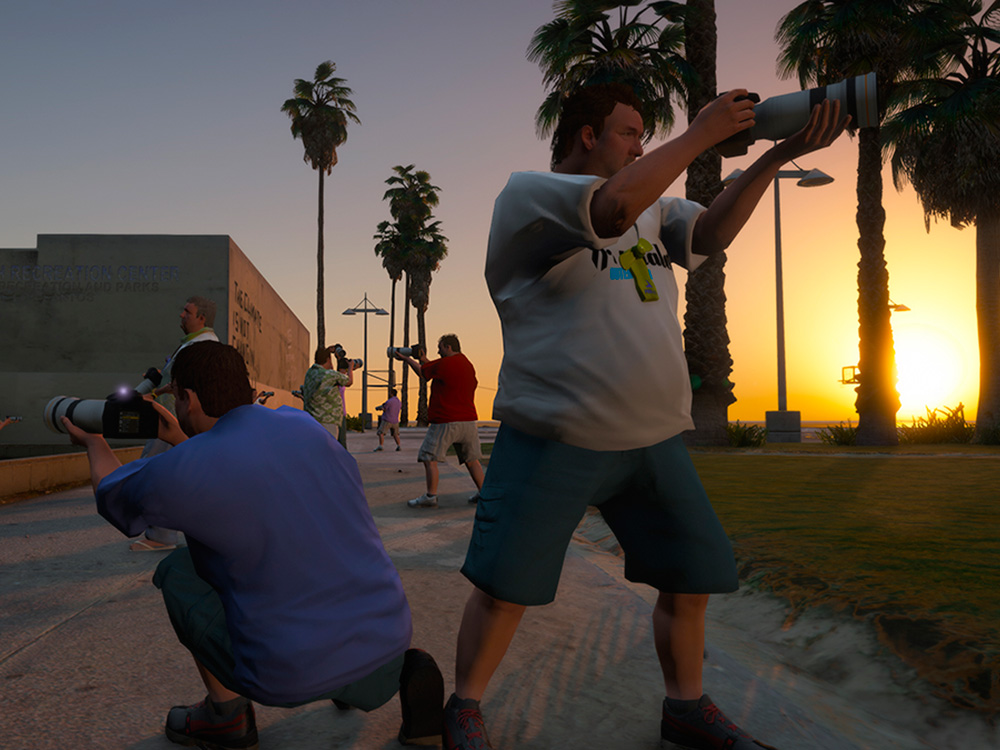
However, of all the current expressions of games, the one with the greatest impact on the visual field is undoubtedly video games. Even surrounded by endless stereotypes – that they are popular, that they are technological, that people who don’t play them don’t understand them – they are nevertheless the most emblematic cultural expression of the 21st century, the one that has invented a form of unprecedented experience. In the video game, the ludic drive that runs through the history of civilization is united with the technological extension characteristic of the contemporary subject, which is computer code. The sacred circle, the essence of the game in all its variants, is reactivated and translated into a new regime of images whose potential we are just beginning to glimpse.
These approaches to the idea of the game are here in this edition of Getxophoto. Some projects approach it as a theme, always open to new readings, while others are designed as a playful proposal in themselves, an invitation to play with and through images. But all of them are based on the conviction that playing is a relevant phenomenon, worthy of attention, which brings us together, interrogates and explains us, which never stops changing and surprising us, and through which we portray ourselves as a society.
In Getxophoto 2024 you will find proposals that, from the field of image and photography, explore games and playing from these points of view and from many others that have not occurred to us.
Shall we play?
REFERENCES
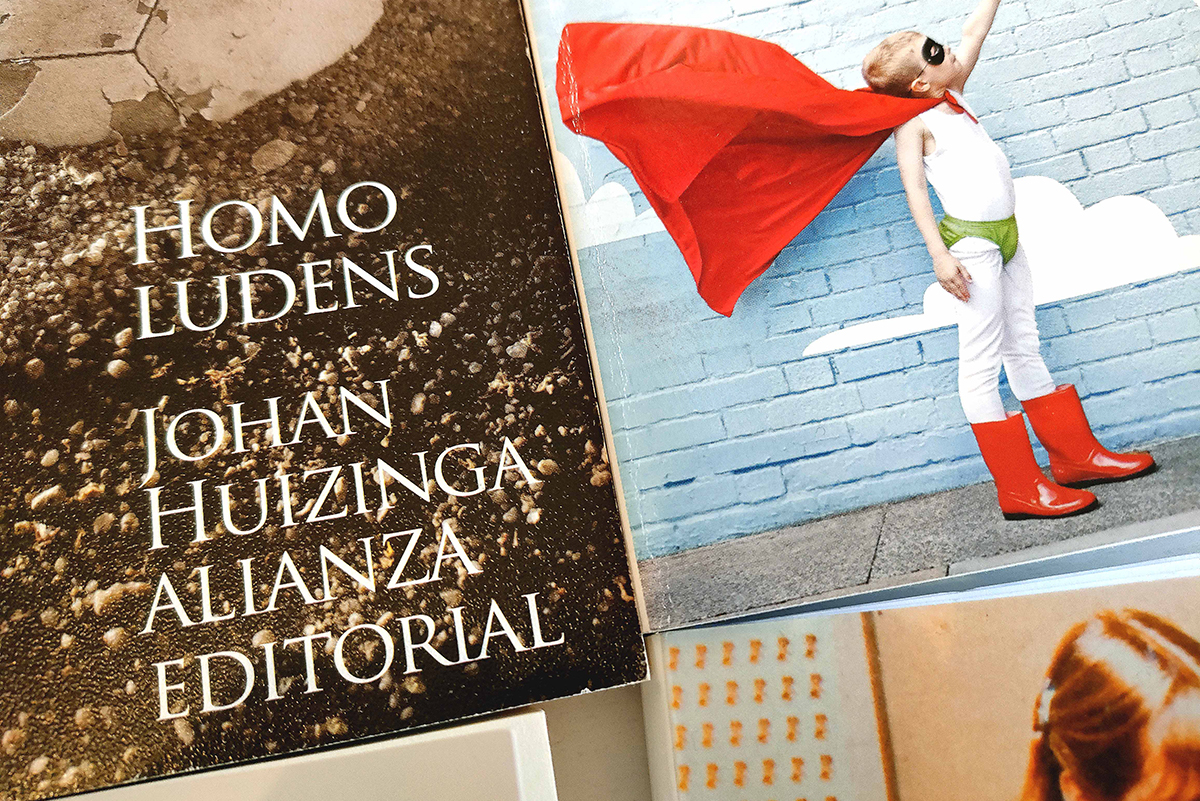
Donald W. Winnicott, Realidad y juego, Gedisa, 1987
Roger Caillois, Teoría de los juegos, Seix Barral, 1958
Mathieu Triclot, Philosophie des jeux vidéo, La Découverte, 2017
Johan Huizinga, Homo ludens, Alianza Editorial, 2012
VVAA, Playgrounds: Reinventar la plaza, Museo Nacional Centro de Arte Reina Sofía, 2014
Virginia Navarro Martínez, “Playgrounds del siglo XXI : una reflexión sobre los espacios de juego de la infancia”, Arquitectonics: Mind, Land & Society, n.º 25, December 2013
Paula Ducay e Inés García, podcast Punzadas sonoras, episode Juego, June 2023
*** BASQUE COUNTRY PUBLIC READING NETWORK
CURATOR
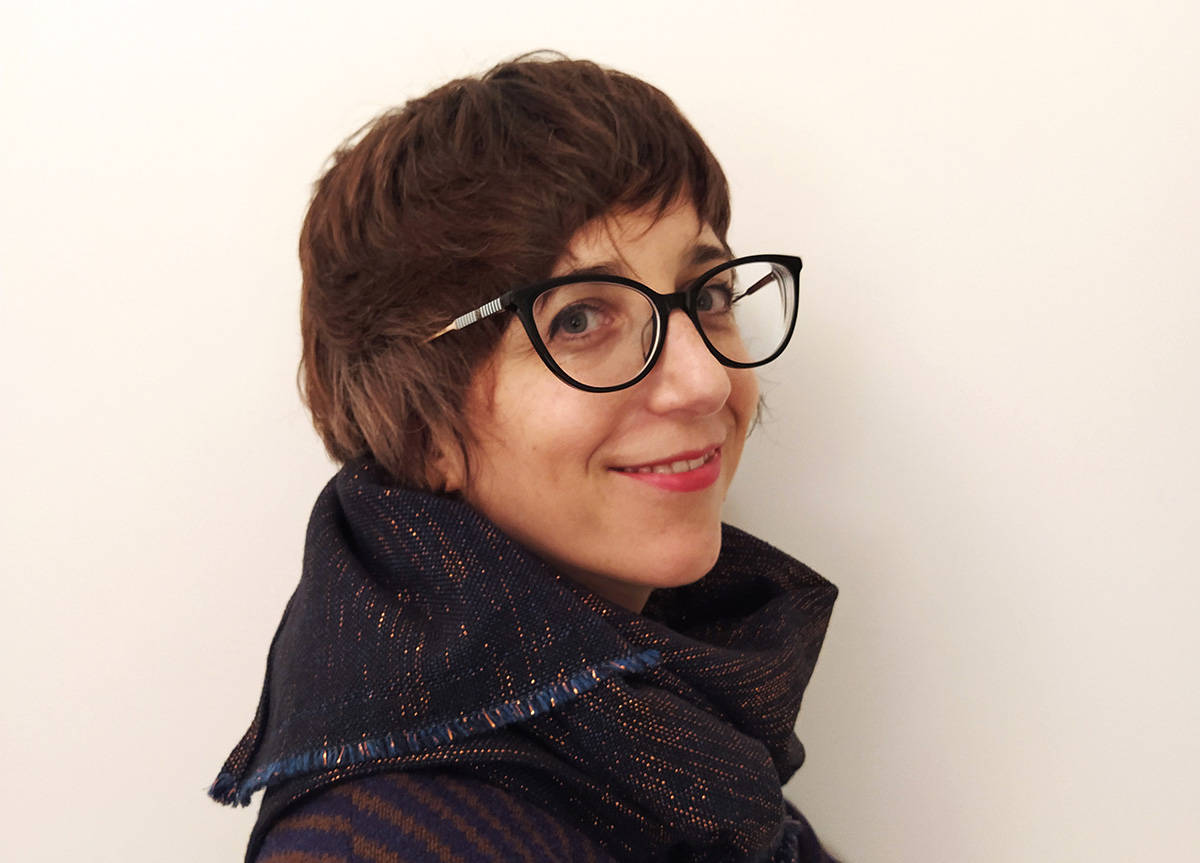
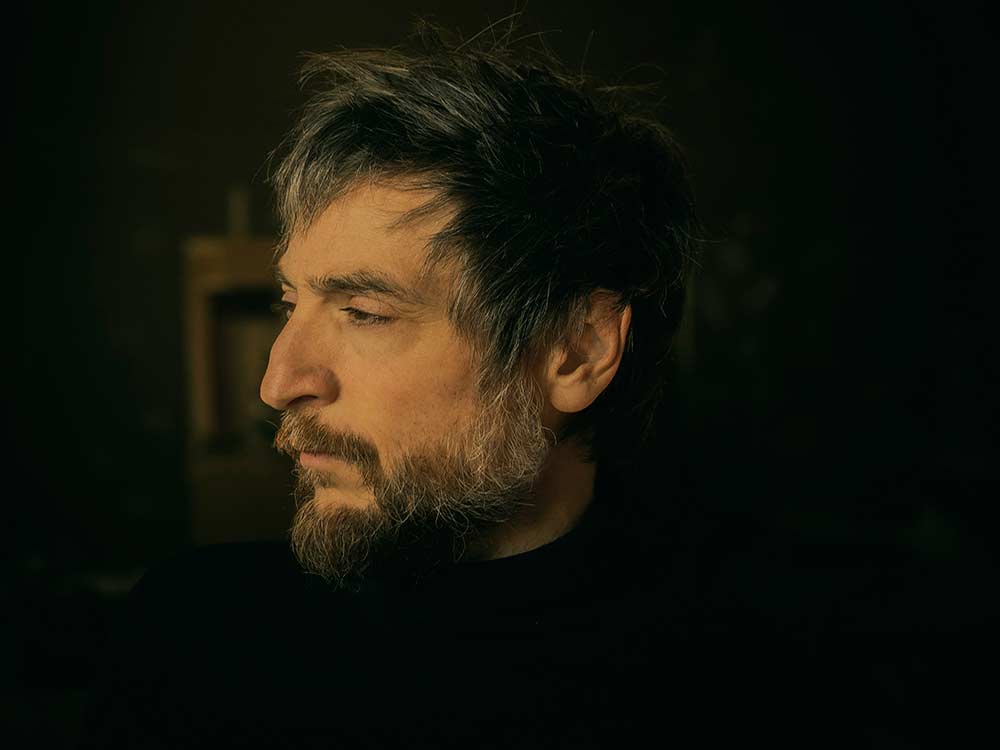
Photograph by Ramón Quanta María Ptqk
Born in Bilbao in 1976, María Ptqk holds a PhD in artistic research from the University of the Basque Country, a degree in Law and a degree in Economics, a Master of Advanced Studies in International Public Law from Paris II-Sorbonne and in Cultural Law from the Uned-Carlos III in Madrid, and a Master in Cultural Management from the University of Barcelona. Her work is based on the intersections between art, technoscience and feminisms and is a member of the advisory group of the publishing house consonni. She has worked with a number of leading institutions such as Medialab Prado (Madrid), Azkuna Zentroa (Bilbao), Fundación Daniel y Nina Carasso, CCCB (Barcelona), Jeu de Paume (Paris), La Gaité Lyrique (Paris), GenderArtNet (European Cultural Foundation) or LABoral (Gijon), among others. She has curated the exhibitions Soft Power (Amarika Proiektua Project, 2009), A propósito del Chthuluceno y sus especies compañeras (Espace virtuel du Jeu de Paume, Paris, 2017), Reset Mar Menor. Laboratorio de imaginarios para un paisaje en crisis (CCC Valencia, 2020), Ciencia fricción. Vida entre especies compañeras (CCCB Barcelona, 2021 – Finalist of the Asociaciò Catalana de Crítica d’Art Awards & Azkuna Zentroa, Bilbao, 2022), Extinción Remota Detectada (LABoral, Gijon, 2022) and Máquinas de Ingenio (Tabakalera, San Sebastian, 2023) . She is advisor to the Chaire Arts & Sciences (École polytechnique, l’École des Arts Décoratifs – PSL, Fondation Daniel et Nina Carasso) and a member of the ISEA Paris 2023 (International Symposium on Electronic Art) programming committee.
Artists 2024Lock-in vol.11TALKS
When: June 8, Saturday
Place: Punta Begoña Galleries (Ereaga dock 6)
Prize: 20€One of our favourite activities, Lock–in vol. 11 is a whole morning of talks and dialogues in a quiet atmosphere and in a place with no escape, neither for speakers nor for attendees. A space for the review and questioning of contemporary image issues.
Playing with images
9:45 – Presentation and welcome
10:00 – The sense of editing (**English)
Emma Bowkett – Financial Times Weekend Magazine
Jason Fulford – J&L Books
Jon Uriarte – Independent (digital) curator11:20 – New displays on exhibitions (**Spanish)
Arianna Rinaldo – PhEST
Vítor Nieves – Premio Galiza de Fotografía Contemporánea / Outono Fotográfico
María Ptqk – Getxophoto12:30 – Coffee break
13:00 – What do we talk about when we talk about digital curation (**English)
Marco de Mutiis – Screen Walks / Fotomuseum Winterthur
Catherine Troiano – Victoria & Albert Museum
Jon Uriarte – Screen Walks / The Photographers’ GalleryEMMA BOWKETT
Director of Photography at Financial Times Weekend Magazine
Emma was born in Birmingham and is based in London. She is Director of Photography at the FT Weekend Magazine and a curator focussed on lens-based arts and contemporary visual culture. With an MA in Image and Communication from Goldsmiths University of London, she is an Associate Lecturer at UAL: University of the Arts London. She regularly participates at international portfolio reviews, festivals, art fairs and awards such as Unseen, Foam Paul Huf or the Kraszner-Krausz Foundation Book Award. Emma is the curator of a Financial Times special supplement and the Photo London talks programme, as well as being one of the directors of Peckham 24, the annual festival that celebrates established and early career artists working with an expanded photographic practice.
Jason Fulford
ARTIST AND EDITOR
Jason was born in Atlanta in 1973 and is based in New York. He is an artist and co-founder of J&L Books. His photographs have been published at many magazines, such as Harper’s, New York Times Magazine, Blind Spot or Aperture Magazine. As an editor and an author, a focus of his work has been on the subject of how meaning is generated through association. Monographs of his photography include Sunbird (2000), Crushed (2003), Raising Frogs for $$$ (2006), The Mushroom Collector (2010), Hotel Oracle (2013), Contains: 3 Books (2016), Clayton’s Ascent (2018), The Medium is a Mess (2018), Picture Summer on Kodak Film (2020) and The Heart Is a Sandwich (2023). He is co-author with Tamara Shopsin of the photobook for children, This Equals That (2014), co-editor with Gregory Halpern of The Photographer’s Playbook (2014), guest editor of Der Greif Issue 11, editor of Photo No-Nos (2021), and co-editor with Julie Ault and Jordan Weitzman of Ordinary Things Will Be Signs For Us: Photographs by Corita (2023).
Jon Uriarte
curator of Screen Walks/The Photographers’ Gallery
Jon Uriarte was born in Hondarribia, Basque Country, in 1980. He studied Photography at the Institut d’Estudis Fotogràfics of Catalunya and the ICP of New York. He also holds a master in Projects and Artistic Theories by PhotoEspaña and the European University of Madrid. His work has been exhibited at different galleries and centers such as La Casa Encendida (Madrid), Koldo Mitxelena (Donostia), Studio 304 (New York), HBC center (Berlin) or Sala d’Art Jove (Barcelona). He was founder of the independent platform Widephoto and conceptual director of DONE Programme, a project on reflection and visual creation promoted by Foto Colectania. He has been curator of Getxophoto Festival (2020–2022) and digital curator at The Photographers’ Gallery (2019–2023). Currently, Jon co-curates Screen Walks, a series of live-streamed explorations of digital spaces. A collaboration between Fotomuseum Winterthur and The Photographers’ Gallery.
arIANNA RINALDO
Independent curator, consultant and freelance photo editor
Her relationship with photography started in New York as Archive director at Magnum Photos (1998–2001), work which she continued in Italy until 2004. She was photo editor of Colors magazine (2001–2004), as well as director for 9 years of the documentary photography magazine OjodePez (La Fábrica). She has been photography consultant for D, the weekly magazine of La Repubblica (2008–2011), artistic director of the Cortona on the Move festival in Tuscany (2012–2021) and since 2016 she is the photography curator at PhEST, contemporary art festival (Monopoli). Arianna continues to develop photographic projects internationally, as well as giving lectures, workshops and mentorship sessions. She is on the selection committee of the British Journal of Photography Ones to Watch, the Leica Oskar Barnack Award and the Deutsche Börse Photography Foundation Prize.
VÍTOR NIEVES
Curator, professor, researcher AND editor
He is co-founder and coordinator of the Galiza Award for Contemporary Photography, which he curates and produces, artistic director of the Outono Fotográfico Association and guest curator of the Encontros da Imagem. He has curated over 100 exhibitions and shows for festivals such as Encontros da Imagem de Braga, Imago Lisboa, Mês da Imagem do Porto, and f/est Amarante; Photoalicante; Fòrum Fotogràfic Can Basté and Emotiva or Paraty em Foco and Encontros de Agosto, as well as for various galleries, public centers, and institutions. Nieves is the pedagogical director of the Instituto de Produção Cultural e Imagem (IPCI), where he also teaches curatorial courses in the Master’s program in Artistic Photography. He is also a teacher at Escuela Mistos, photography instructor at the City Council of O Barco de Valdeorras, and mentor in the Curriculum Plan on Contemporary Image of Fortaleza. As an editor, her work stands out in the OF collection of photography books from the publishing house Difusora de Letras, Artes e Ideas, as well as several photobooks for other publishers. As an author, he has published Don’t look at my camera and her latest publication is an investigation on Romasanta, the Galician werewolf.
María Ptqk
cultural researcher and curator of Getxophoto
Born in Bilbao in 1976, María Ptqk holds a PhD in Artistic Research, as well as degrees in Law, Economics, DEA in International Public Law and Cultural Law, and a Master’s in Cultural Management. Her work focuses on the intersections between arts and technoscientific culture. She has collaborated with renowned institutions such as Medialab Prado, Fundación Daniel y Nina Carasso, CCCB, Jeu de Paume, La Gaité Lyrique, and GenderArtNet. Some of the exhibitions she has curated include À propos du Chthulucène et de ses espèces camarades (Espace virtuel du Jeu de Paume), Ciencia fricción. Vida entre especies compañeras (CCCB and Azkuna Zentroa), Extinción Remota Detectada (LABoral) or Máquinas de ingenio (Tabakalera), among others. She is an advisor for the Chaire Arts & Sciences (École polytechnique, l’École des Arts Décoratifs–PSL, Fondation Daniel et Nina Carasso) and a member of the programming committee for ISEA Paris 2023 (International Symposium on Electronic Art).
CATHERINE TROIANO
Curator of Photography at Victoria & Albert Museum
Catherine Troiano lives and works in London. She holds an MA in Art History from the University of Edinburgh and a PhD in Visual Culture from De Montfort University, Leicester. She was the first curator of photography at the National Trust and is currently curator of photography at the Victoria & Albert Museum, specialising in contemporary and digital practices. She is co-curator of the contemporary programme and leads the digital programme for the V&A’s Photography section, which includes acquisitions, exhibitions, commissions and research. She has worked on major projects at the V&A, including the transfer of the Royal Photographic Society Collection (2016-2017) and the launch of the V&A Centre for Photography (2018-2023). He regularly publishes on aspects of contemporary photography, curatorial practice, digital culture and institutional history.
MARCO DE MUTIIS
Digital curator at Fotomuseum Winterthur/SCREEN WALKS
He was born in Trento, Italy, in 1983. Marco De Mutiis is a Digital Curator at Fotomuseum Winterthur in Switzerland where he leads the museum research on algorithmic and networked forms of vision and image-making. He leads and co-curates different projects and platforms expanding the role and the space of the museum. These include the collaborative live stream programme Screen Walks (developed and co-curated with Jon Uriarte), as well as the current experimental platform [permanent beta] The Lure of the Image. He is a researcher and doctoral candidate at the Centre for the Study of the Networked Image at South Bank University where he focuses on the relationship between computer games and photography. He has written, edited and contributed to several publications, including the recent book Screen Images – In-Game Photography, Screenshot, Screencast (co-edited with Winfried Gerling and Sebastian Möring). He lectures and teaches regularly in different institutions and schools, including ECAL and Lucerne University of Applied Arts and Design.
Collaborator:


 Participation 2024