-
Theme and curator 2014
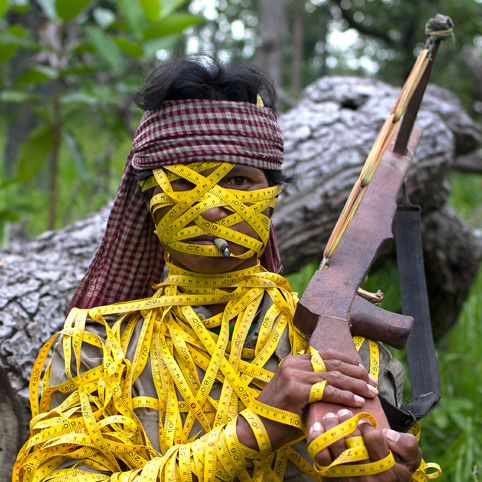
Philong Sovan
Struggles
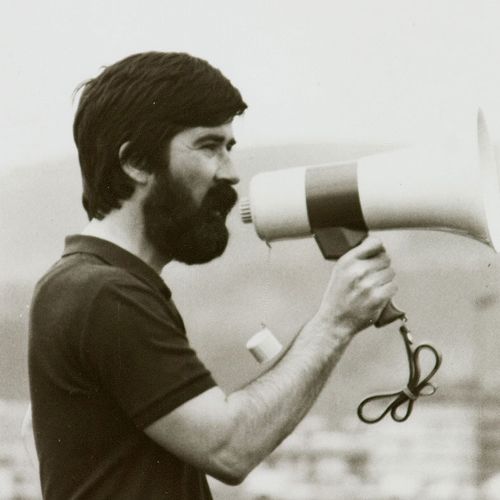
Last year, with photographers of different ages, nationalities and aesthetics, we explored the subject of Dreams, which can also turn into nightmares. This edition of GETXOPHOTO coincided with the celebration of the fiftieth anniversary of Martin Luther King’s renowned speech in Washington on 28 August 1963, and the words I have a dream.
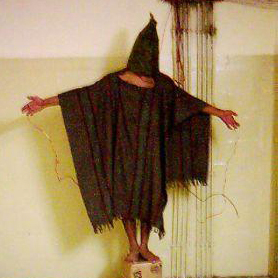
We know what that dream of equality, of the eradication of discrimination and of hope for the future meant and continues to represent for North American society and, moreover, for everyone in the world who yearns for greater justice and equality. It was a dream that was tied to struggle. A struggle for what the Americans called civil rights, human rights. This worldwide fight took the form of demonstrations demanding autonomy or independence, improvements in living conditions, respect for dignity, the end of exploitation or equal opportunities in access to educations. It’s a long and perhaps endless list, because today, too, maybe more than yesterday or in more internationalized, more globalized ways, there continues to be inequality in the world.
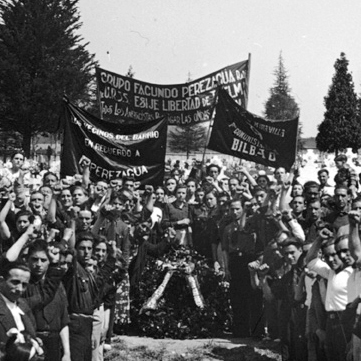
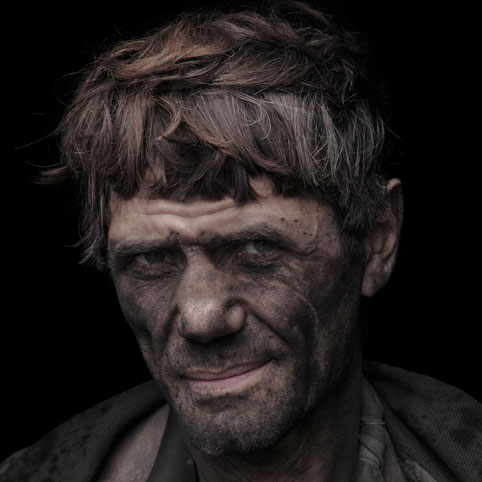
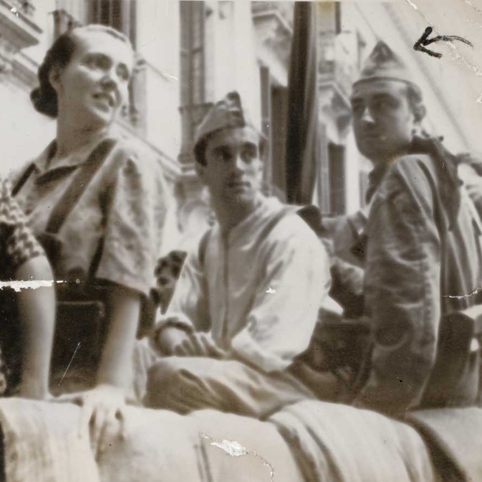
In the 20th century, when photography triumphed as historic documentation or as a repository of the memory of circumstances and actions, the imagery of these struggles was forged. The images are not mere documents; they reflect, often through a heroization of the protagonists, the ideologies they are rooted in. It is disturbing to see in images how close is the visual resemblance between a worker in the USSR and a peasant in Mussolini’s Italy, or the proximity of the bodies of miners or workers from the Soviet steelworks to the nudist adulation of German youth during the years of the rise of Nazism. All this visual historiography, which runs through the century of the two devastating world wars, of the camps of the final solution, the ensuing genocides, the collapse of entire sectors of industry, the concentration of the population in the cities and the relative desertification of the countryside, among many other things, was recorded by photography and fundamentally disseminated by the press.
The world has still not improved, but the conditions and modalities of image production have changed. The rapid circulation of pixels on the Internet and the immediacy of the transmission of information, sound and movement have left their mark on the role of photo-journalism, although the sources are often impossible to discern, and their reliability is increasingly shaky. But we are in the era of the image.
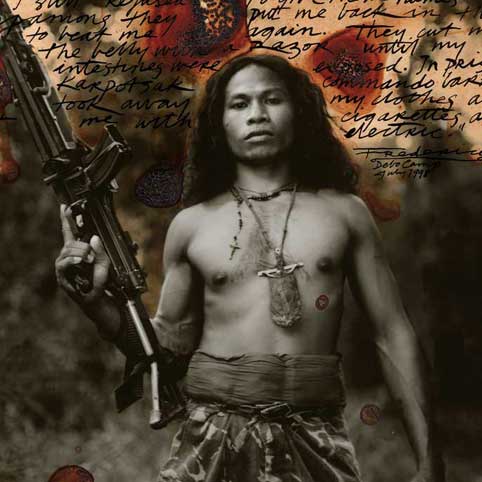
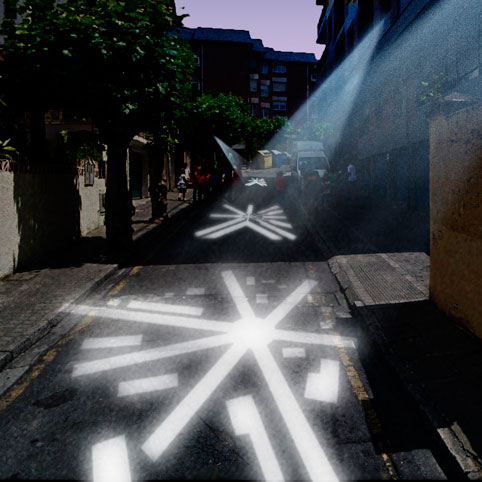
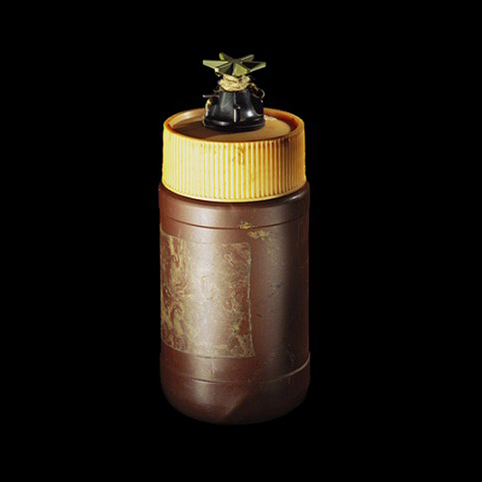
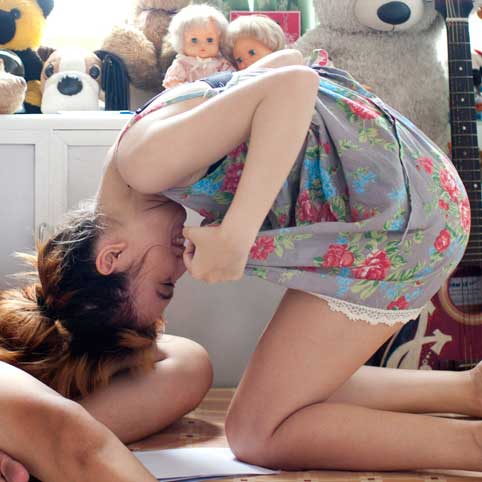
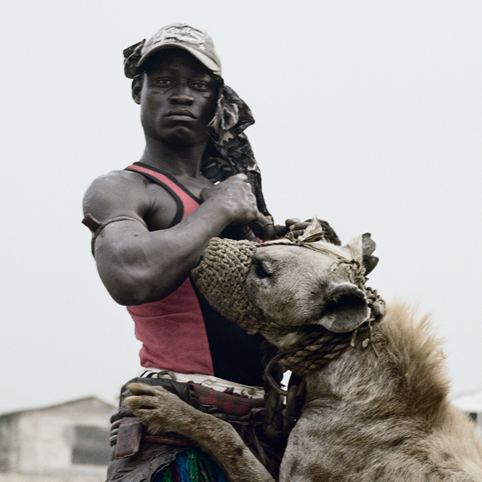
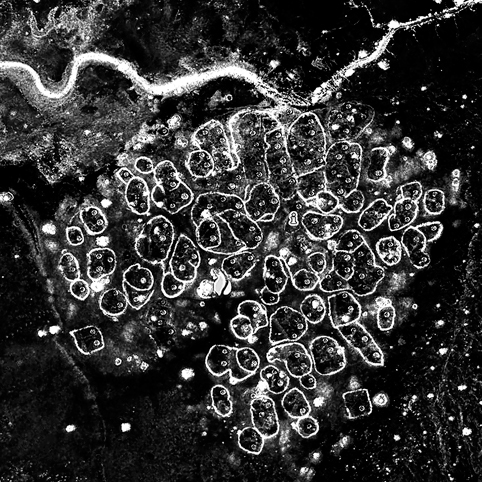
And this is the context in which we approach the question of struggles. On one hand, those that take place on the ground—often interrelated— for peace, independence, freedom, health, education, life; and against violence, destructive contamination and humiliation without limit. But then there are the decisions taken by some photographers to join a fight-back or place themselves on the side of those who are in the thick of it, from their homes and in all parts of the world. The geographical origins of photographers are as international as they always were, and their aesthetic proposals are becoming ever more heterogeneous: encompassing strict documentary photography and symbolic staging, colour and black and white, snapshots or pictures that are skilfully lit and deftly composed, employing textual resources, with recognizable mechanisms and producers of meaning… So we are now faced with a panorama of photographic practices that stretch from the use of archives to amateur images, taking in satellite image recovery on the way.
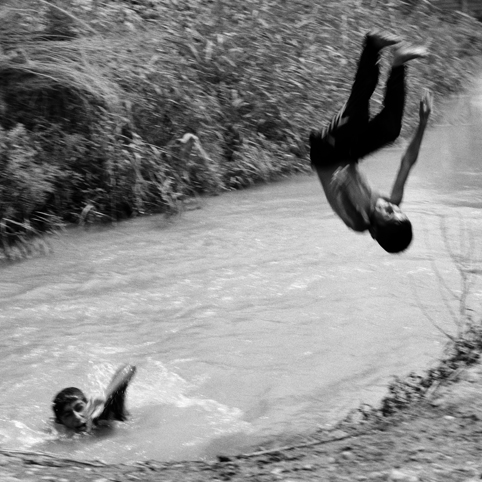
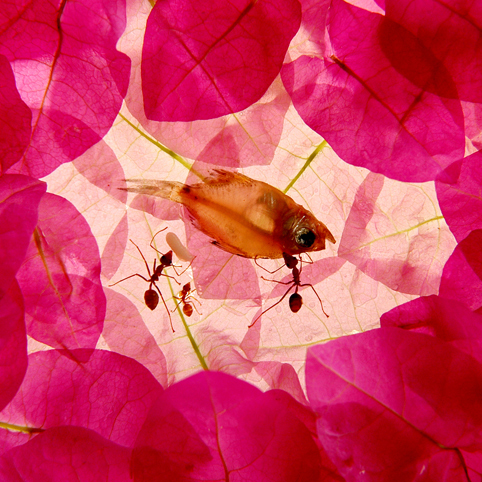
If —and we in no way claim to be exhaustive here— we evoke current situations, it would be illusory to ignore the millenarian and original reality of struggle. It begins with the instinct for survival, which naturally translates into a fight to the death and for the subsistence of species. Mak Remissa illustrates the Cambodian proverb «When the water rises the fish eat the ants; when the water falls the ants eat the fish», taking us splendidly close to that reality. When we observe this situation in the animal world and learn the lesson therein contained, we night expect humankind to do everything in its power to avoid destructive discord and, well, become more sensible than the ants and the fish. Best not hold our breath though.
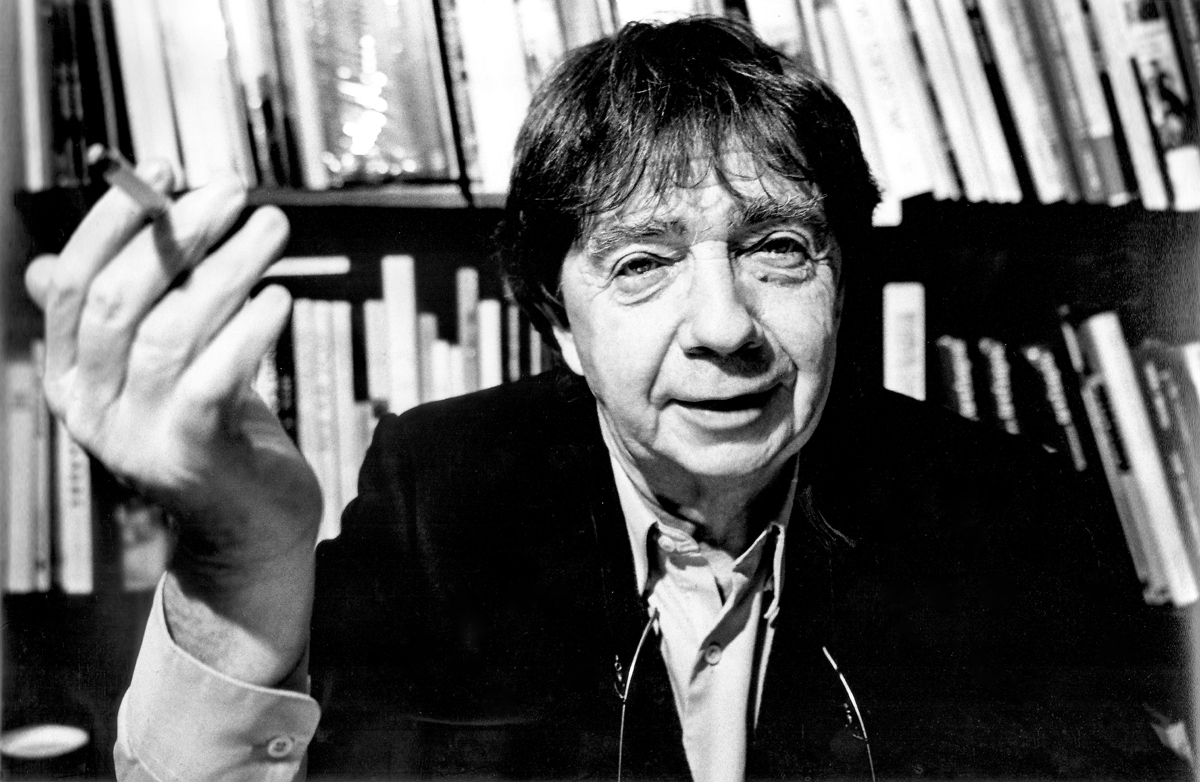
Christian Caujolle
A recognised critic and eminent curator, Caujolle has made an enormous contribution to the world of photography. He collaborated with and was a pupil of Michel Foucault, Pierre Bourdieu and Roland Barthes. He was the graphics editor of Libération, founder of the Agence VU´, artistic director of Les Rencontres d´Arles and curated international festivals such as the Foto Biennale in Rotterdam and PhotoEspaña. Since 1983 he has organised several exhibitions and edited monographs on artists including Jacques Henri Lartigue, William Klein, Anders Petersen, Raymond Depardon, Michael Ackerman and Cristina García Rodero. Caujolle has participated in workshops and conferences in many countries in Europe and Asia and served as a jury member for World Press Photo and other prestigious international competitions. Currently he is the director of PhotoPhnomPenh in Cambodia and in 2013 he took over as curator of GETXOPHOTO Photography Festival.
Artists 2014Book 2014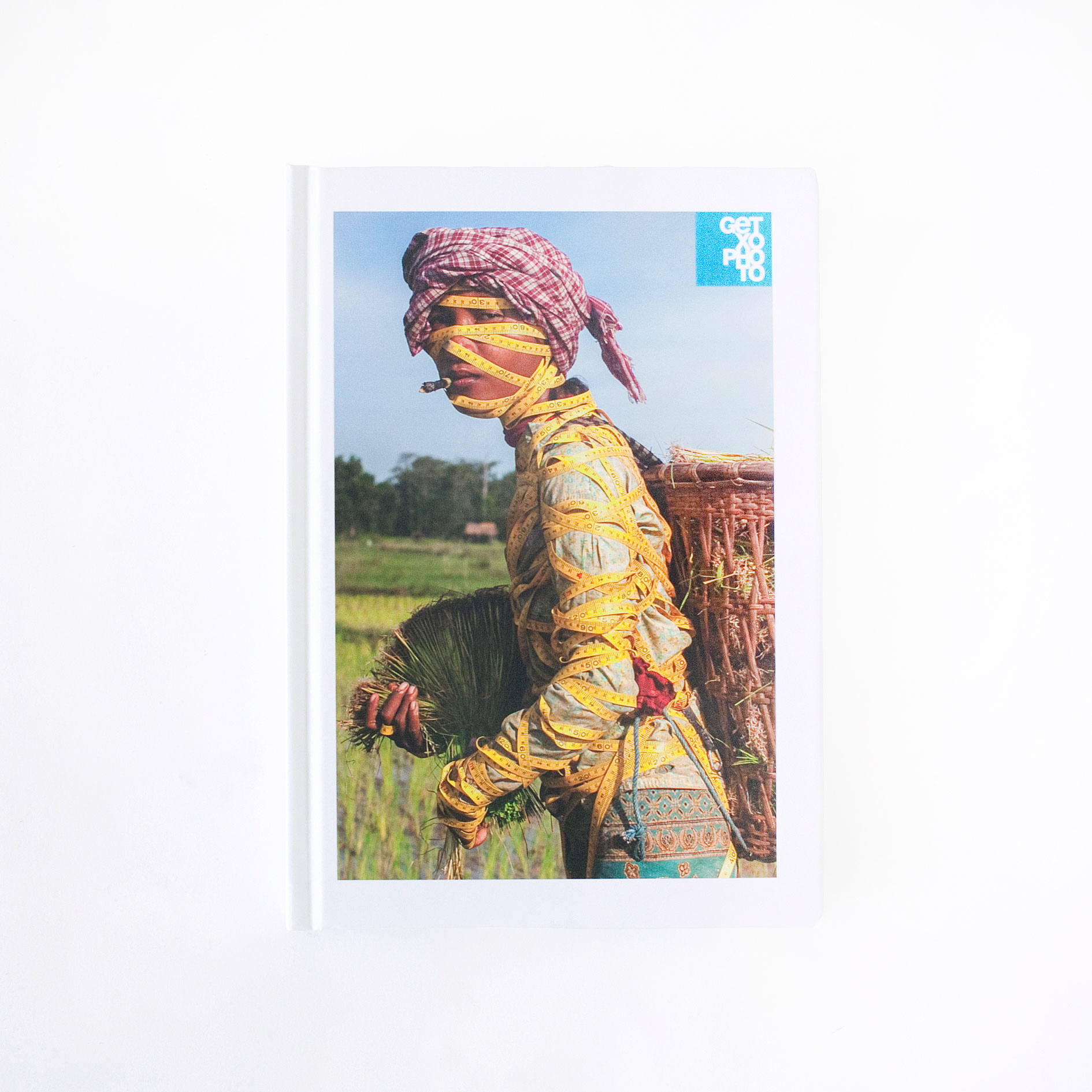 On sale at our online shopLab 2014
Walter Astrada: The methodology of a graphic report
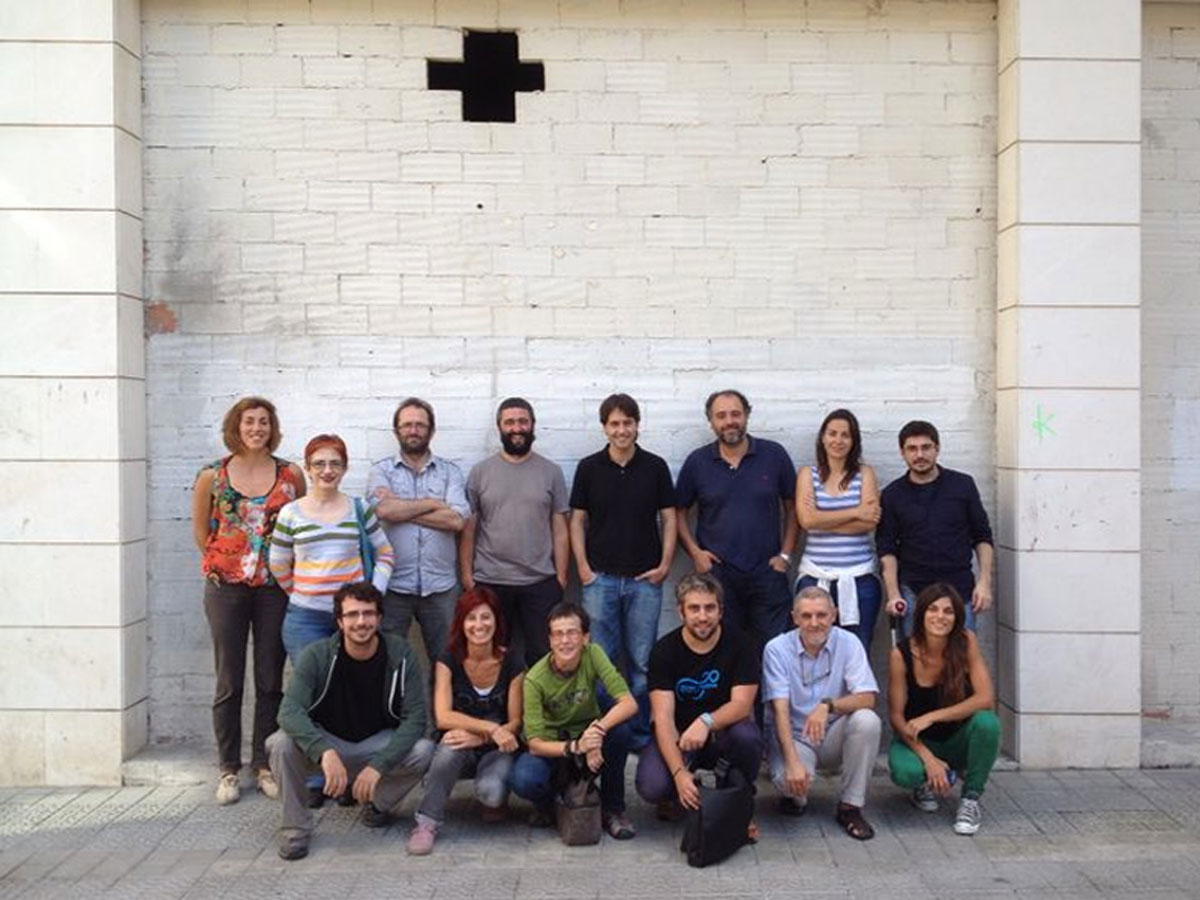
This workshop provided a general view of the different ways in which a graphic report can be approached. It allowed participants get into a discussion about the right ways to create a story. Through some examples, extracted from his own work, Walter shared advices and techniques to improve the production of reports, their edition and the distribution of the project. Participants addressed those questions that we all have had in mind at some point: How to gain new assignments? How to approach personal jobs, or those for media or agencies? How to work as a freelance in a country in conflict? How to organize our archive? How to sell the photographs?
The workshop based, fundamentally, on his long-term work about violence against women.
Walter Astrada was born in Buenos Aires, Argentina, in 1974. He started his career as a photographer in the newspaper La Nación. After a training trip through South America, he joined The Press Association of Bolivia; later he joined the ones in Argentina, Paraguay and Dominican Republic. From March 2005 till March 2006 Walter worked as a freelance for France Presse in Dominican Republic and he was represented and distributed by World Picture News.
Later, he moved to Spain, where he lives nowadays. He is currently working on a long-term project about the violence against women and the Under Pressure Project, about the multiple sclerosis in Europe. Among others, he has been awarded with World Press Photo and he is a member of his training team. His images have been published all over the world, in publications like El Tiempo, The New York Times, Newsweek, Le Figaro Magazine, Le Monde, The New York Times, GEO and Stern, among others.

Digital mask: selfies and photography in social networks
Jon Uriarte
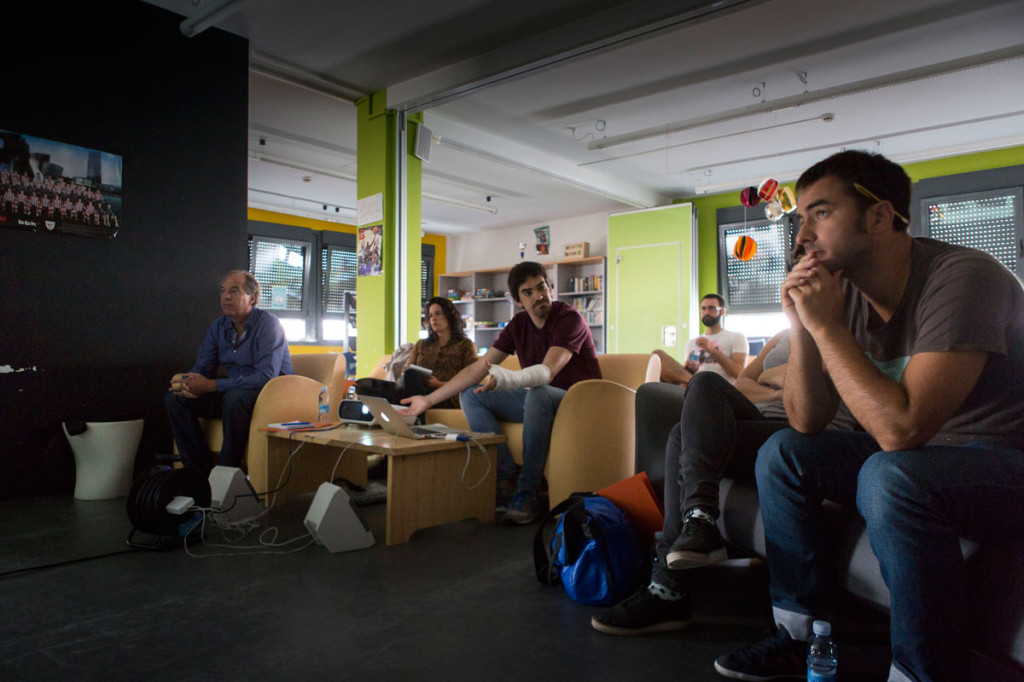
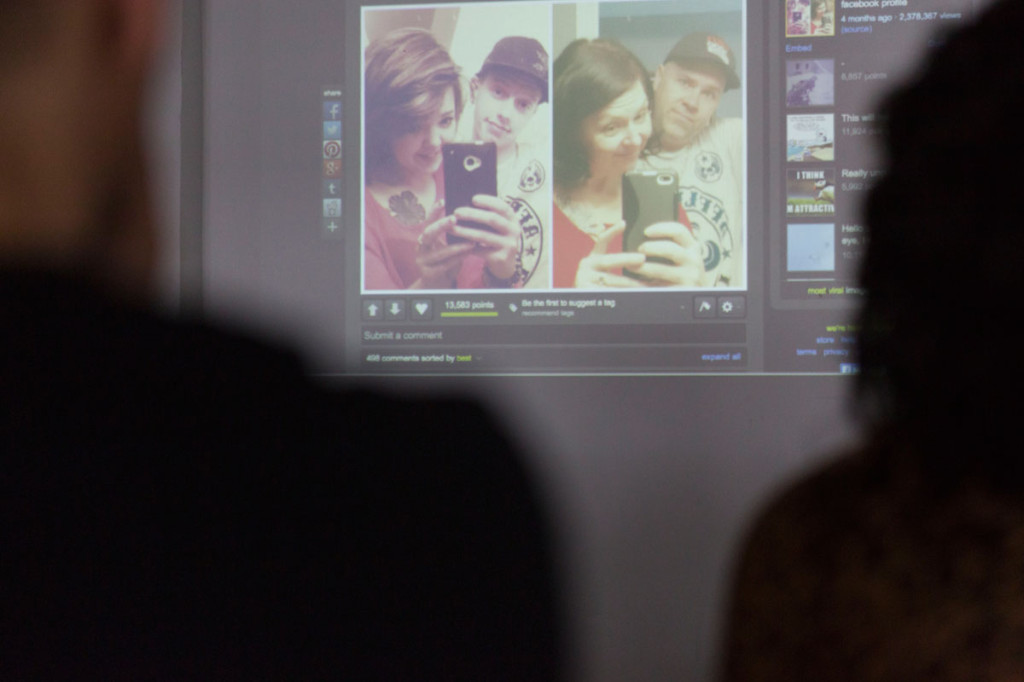
Now that mobile phones are permanently connected to social networks, the selfie has rapidly turned into a genre in itself. Communication media, society and even the photographic community discuss about it; criticizing it, analyzing it and practicing it. In this Master Class, given by Jon Uriarte, we analyzed how the self-portrait became a selfie and what it is all about. We ended up with a discussion together with all the participants.
Born in Hondarribia, Gipuzkoa, in 1979. Jon studied Photography at the Institut d’Estudis Fotogràfics in Catalunya and at the International Center of Photography in New York, in addition to taking a Master’s Degree in Artistic Theories and Projects, via PhotoEspaña and the European University of Madrid. He has exhibited both collectively and individually at various art centers, galleries and festivals, including PhotoEspaña, La Casa Encendida in Madrid, the Koldo Mitxelena in Donostia, Studio 304 in New York, the HBC center in Berlin and the Sala d’Art Jove in Barcelona. Currently living in Barcelona where he works as a teacher of Photography.
 Lock-in vol. 2
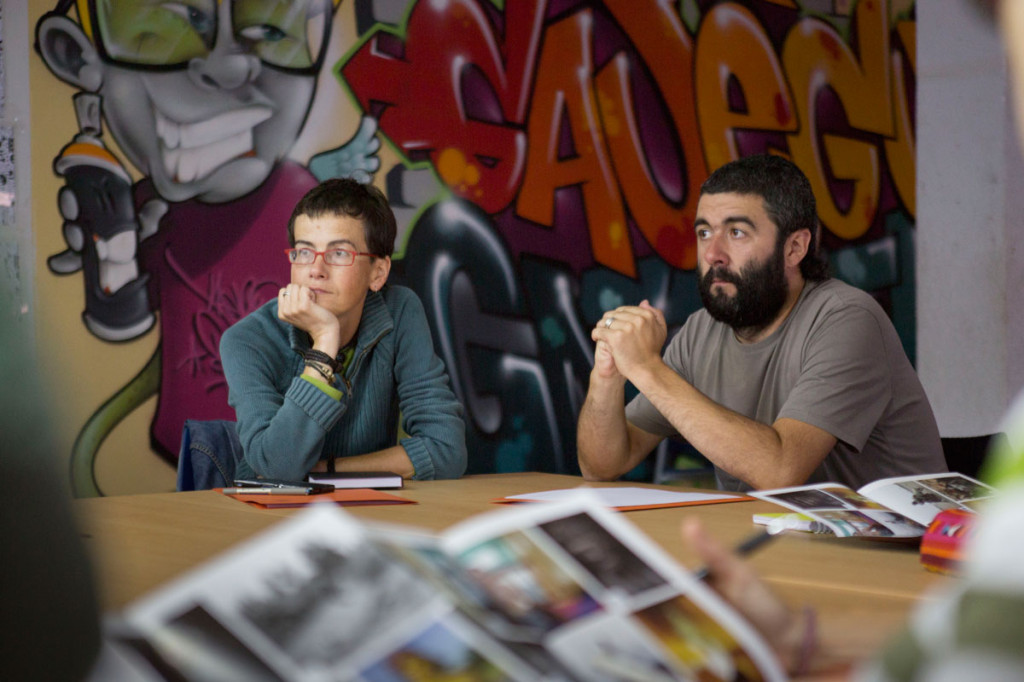
Lock-in was released in 2013 under the title Other ways of seeing. It is a new format of talks and dialogues during a whole day, including lunch, in a far place with no scape for speakers and attendants.
We are in conflict
There’s a historic tendency to believe in the power and inherent ability of images: their veracity, their value as a document, their ability to influence… These assumed attributes are often questioned. Since we are in the digital era this is clear: line between reality and fiction is more and more vague. Lock-in Vol.2 will be a day for reflecting about photography and its own conflicts and about the different options we have when it’s time to deal with conflicts.


PROGRAMME
¿Qué está pasando?
Periodismo de conflictos y conflictos del periodismo
. Olga Rodríguez, journalist
. Walter Astrada, photo-journalistDe la caverna al 3D
Usos y abusos de la imagen
. Román Gubern, theorist of image and historian
. Christian Caujolle, curatorFotografía expandida
Ampliando la definición de lo documental
. María Canudas, culture manager
. Roc Herms, photographer
. Jon Uriarte, photographerFabricando la Historia
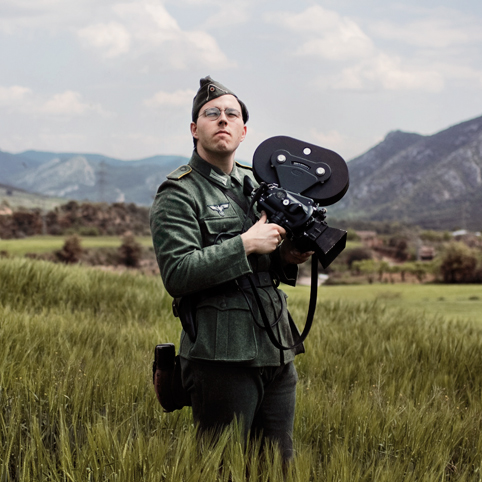
La ficción como construcción de la memoria colectiva
. Martí Llorens, photographer
. Mikel Bastida, photographerEl viento se levanta
Poesía e imagen, la revolución tranquila
. Kirmen Uribe, poet and writer
. Ricky Dávila, photographer
BIO
Walter Astrada
He was born in Argentina and leaves currently in Barcelona. He was worked for agencies like Associated Press and Agence France Press, and now he works as a freelance. He is working on a long term project about gender violence since 2006. His works has been recognized in several international contests like World Press Photo.Mikel Bastida
Graduate in Audiovisual Communications. He studied at the cinema school of Andoain and got a master degree in New Documentalism at the EFTI photography school, where he works as a teacher nowadays. He was chosen for Descubrimientos PhotoEspaña in 2011 thanks to his work War Theatre.María Canudas
Graduate in Audiovisual Communications by Universidad Autónoma de Barcelona and postgraduate in Visual Arts Management by Birbeck College (Univeristy of London). She works at the Exhibitions Department of Fundación “la Caixa”, where she coordinates art and photography exhibitions. She is currently leading the FotoPress project, offering grants to promote the creation of new documental image projects.Ricky Dávila
Born in Bilbao in 1964. He graduated in Photography in the International Center of Photography of New York. He worked for COVER agency. Currently, he works as a freelance and he is Director at the Center of Contemporary Photography of Bilbao – CFC. His works as a photo-journalist has been awarded many times, he has published several photography books and he has shown his work in individual and collective exhibitions worldwide.Román Gubern
Professor at the Universidad Autónoma de Barcelona and Doctor Honoris Causa at the Universidad Carlos III de Madrid. He is known as one of the best Spanish theorists in audio-visual communication. His work is focused on cinema historiography, comic language and also an analysis of images in our times, cultural change and culture.Roc Herms
He left his job as an art director in DDB Barcelona advertising agency to jump to advertising photography and his own personal projects. He has participated in several exhibitions and conferences and currently works as a freelance in the fields of design, advertising photography and photojournalism.Martí Llorens
Graduate in Fine Arts, he combines his creative work with the documentation of constructive projects in civil work. He has documented big urban development projects in Barcelona, such as the works before the Olympics or the transformation of the maritime front. His personal work is focused on the development of concepts around time, territory and memory.Olga Rodríguez
Graduate in Information Sciences by Universidad Complutense de Madrid, she is a Middle East specialist. She has developed most of her professional career working for Cadena SER, Cuatro and CNN+, covering news such as the war in Iraq. Since 2012 she collaborates with eldiario.es and other written media, and in addition she keeps working in the Middle East as an audiovisual journalist.Jon Uriarte
He was born in Hodarribia, Gipuzkoa. He studied photography at the Institut d’Estudis Fotogràfics de Catalunya and the Center of Photography in New York. He has shown his work in several centers, art galleries and festivals, both individually and collectively. He currently lives in Barcelona, where he teaches photography.Kirmen Uribe
Born in Ondarroa, Bizkaia. We licenced in Basque Filology in Vitoria-Gasteiz and studied Comparative Literature in Trento, Italy. His poem-book Bitartean heldu eskutik (Meanwhile take my hand) received the National Critics Award and his novel Bilbao-New York-Bilbao received both National Critics Award and National Literature Award. He has also writen literature for kids and young people, he has taken part in several international literature encounters and he is the author of some multimedia works.