-
Theme and curator 2022
E. Font To Imagine
Although it may seem impossible, imagining other scenarios is essential in a crisis. We live in a world that only allows us to make catastrophic or utopian predictions, without time to develop a critical imagination so that we can distinguish between what is happening, how we understand it and the impact we want to make of it. The 16th edition of Getxophoto aims to recover time and space, and carry out this much-needed exercise.
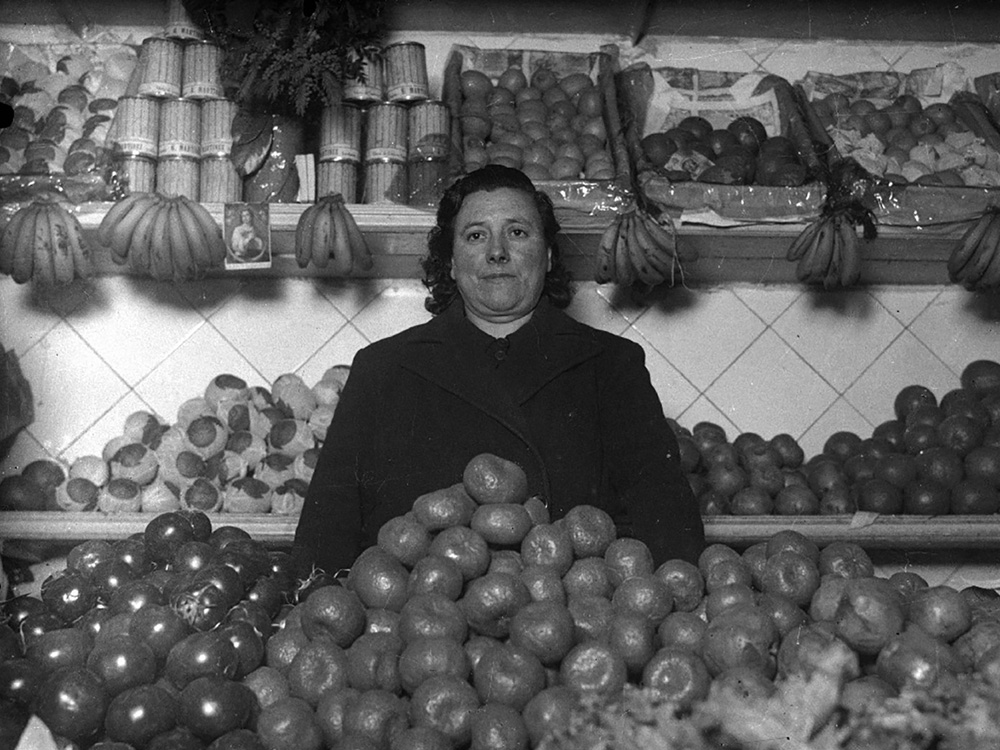
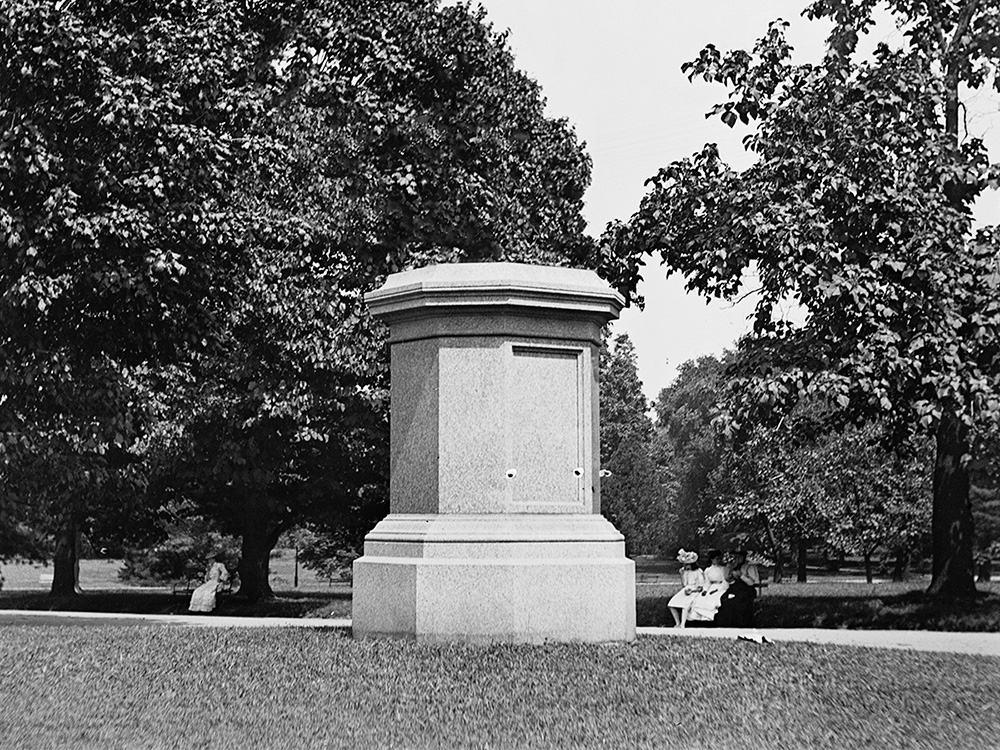
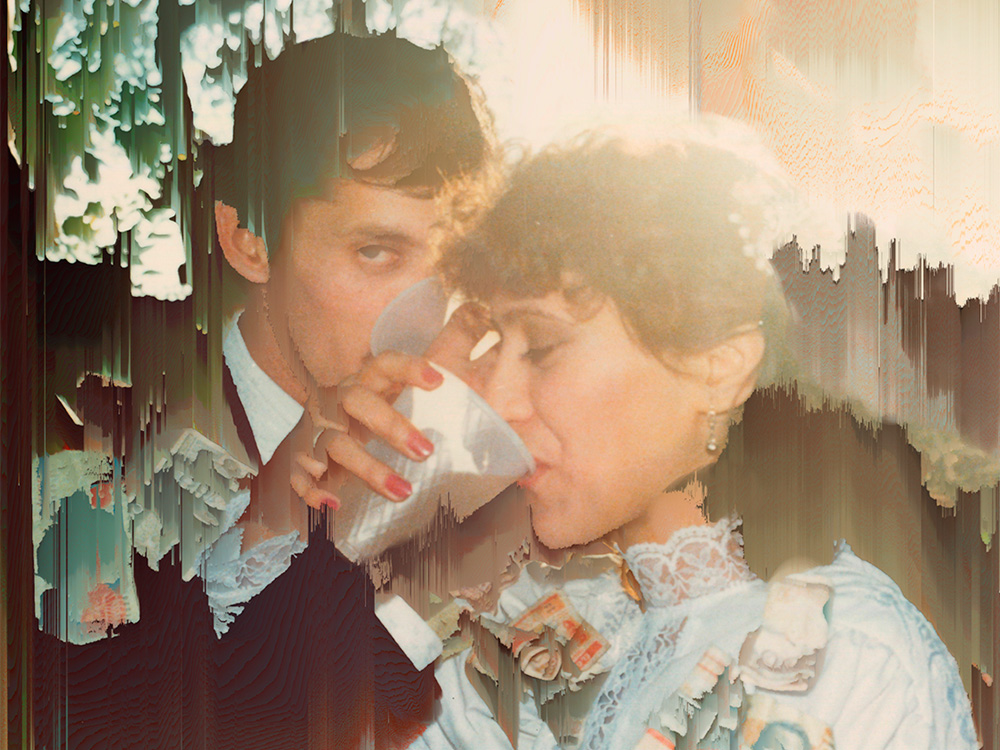
Images play a fundamental role in this task, since they are part of the knowledge and practice capable of creating unlikely connections through imagination. As John Hilliard’s Off Screen series suggests, photography allows us to approach events from different points of view beyond the literal. Despite being one of the fundamental tools of modernity for classifying the world through reason, its temporal and interpretive versatility makes it an ideal medium too for questioning reason. Projects such as Hayal & Hakikat by Cemre Ye il Gönenli or Erased by Paulo Simão interrogate the use made from positions of power of historical photography as evidence or documentation, appropriating their strategies to diversify those readings and dispute their objectives. Likewise, Come Before Winter by Ventura Profana and Igor Furtado also explores subversive tactics against power, but focusing on the church as an institution that uses faith to tame the imagination in pursuit of an absolute truth. That same search has caused pain to all those people who do not fit the norms that its totalitarian vision imposes, as reflected by Haiek danak sorginak (All of Them Witches) of Bego Antón, and even today it hides or conditions the identity of millions of women who are represented by projects such as Mercaderas (Market Women) by Ainhoa Resano or Madre (Mother) by Marisol Mendez.
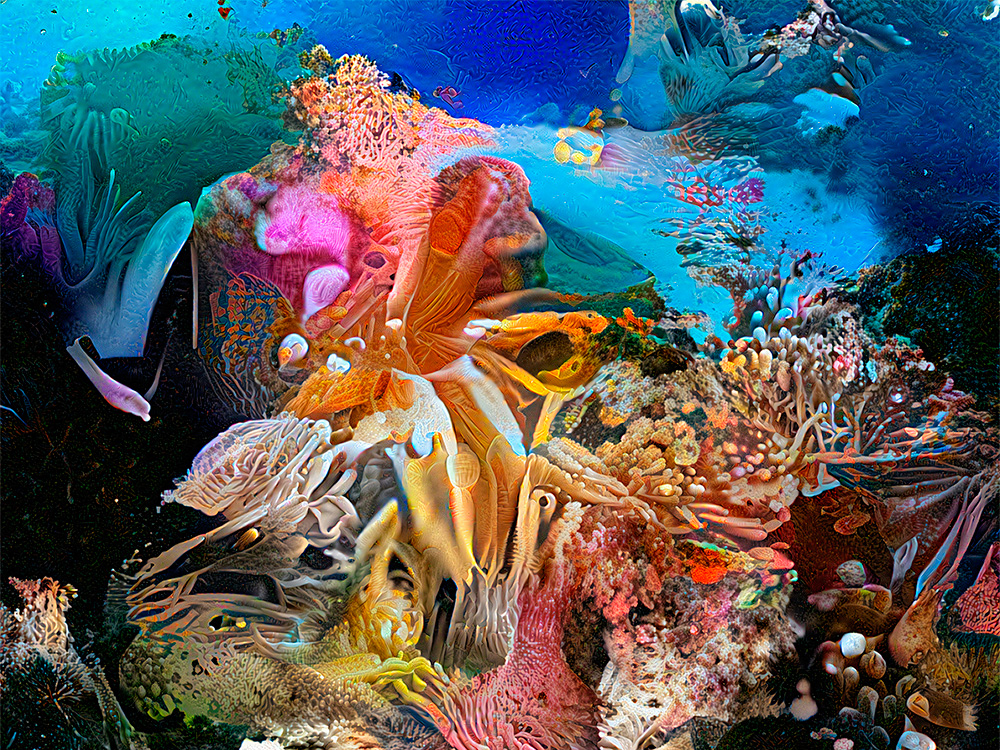
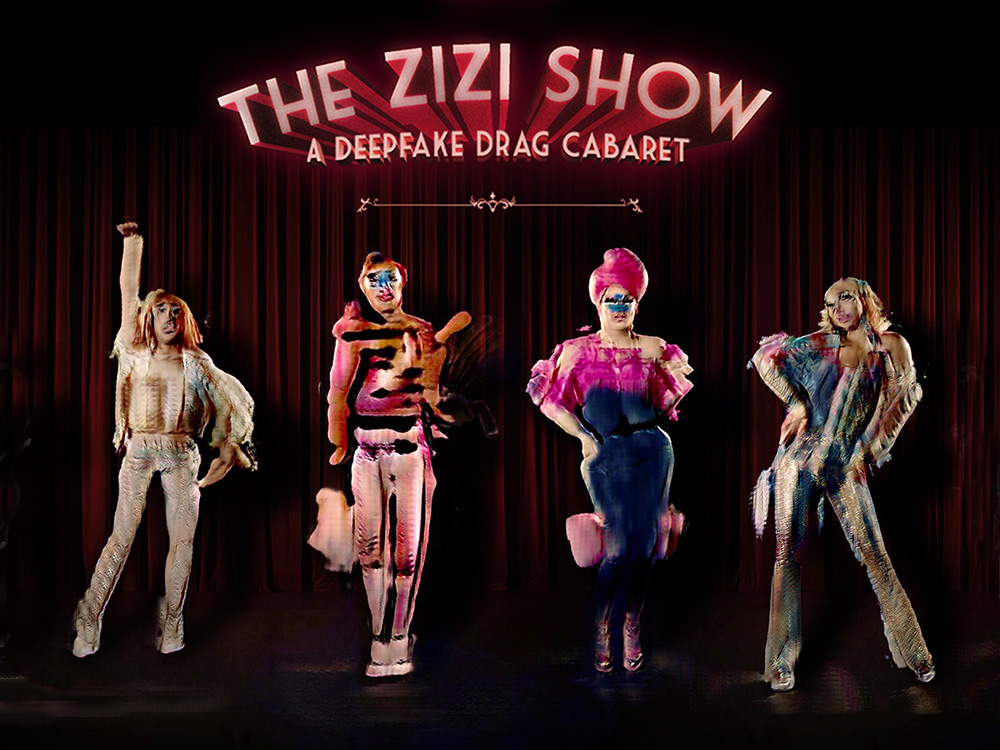
However, if imagination aspires to be critical, it cannot be satisfied with avoiding those forms of power, but must push back the boundaries of what is possible. Since when we look beyond those limits we can establish a relationship with what is unknown, with what feels strange. The idea of the monster, for example, which incorporates both the familiar and the foreign, is closely linked to the imagination, as it takes a paradox and appropriates it. The projects The Zizi Show by Jake Elwes and Neural Zoo by Sofia Crespo use the latest visual creation tools to explore this hybrid space of possibilities, in relation to both the human and other living beings. Both works explore the capacity we have to face and relate to the unusual and to situate ourselves between different identities and spaces. It is exactly that capacity that describes the power of the critical imagination.
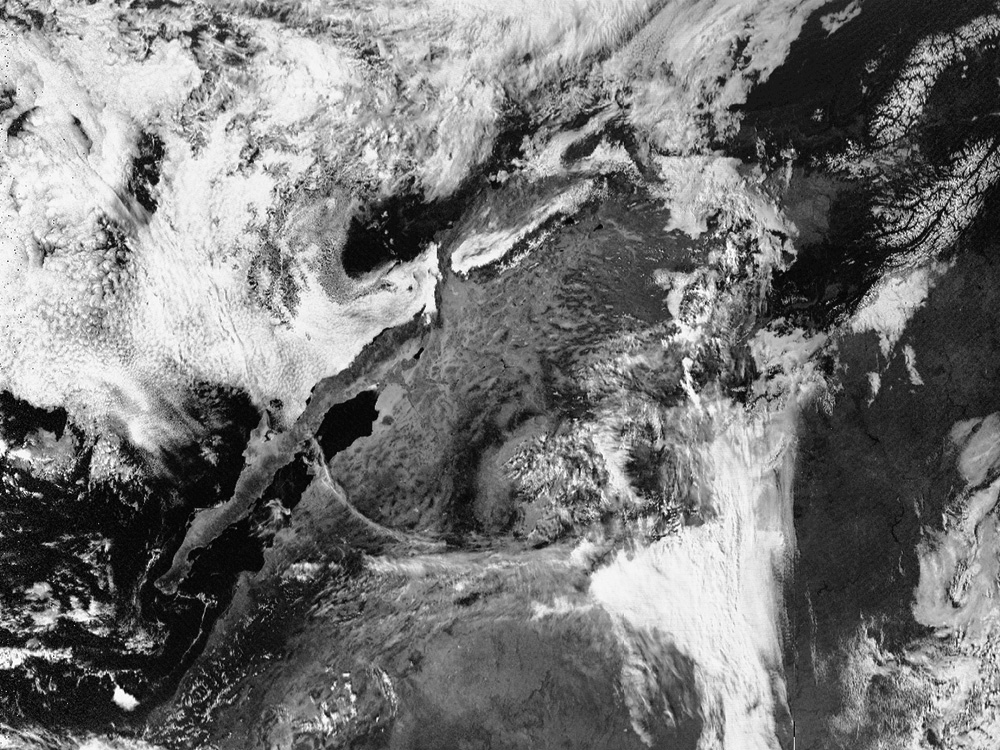
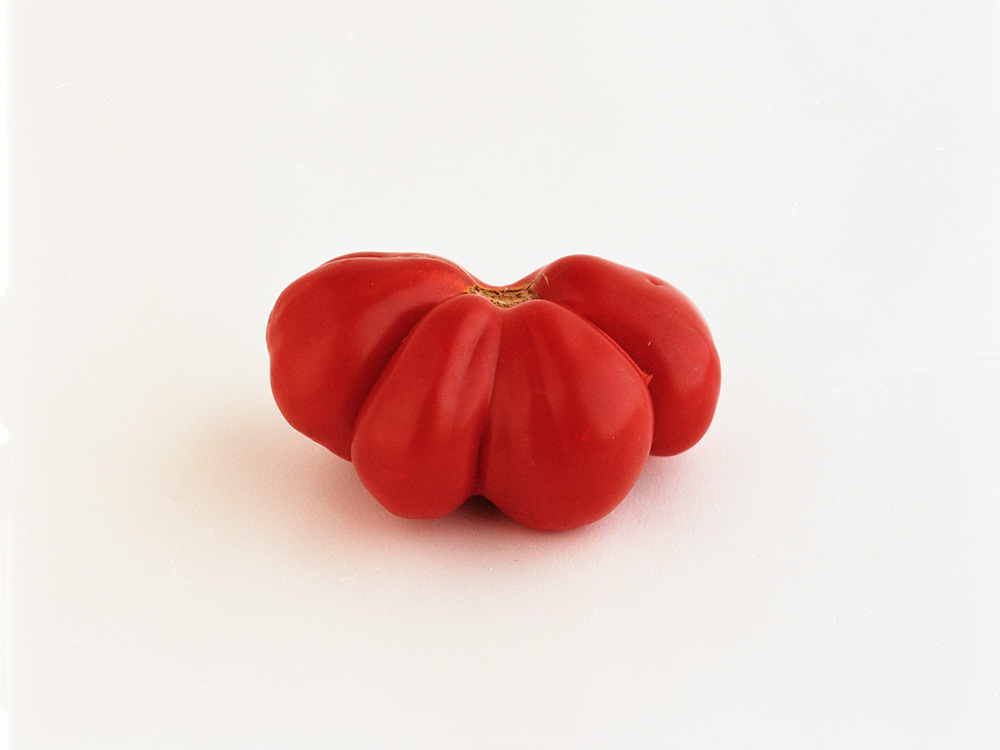
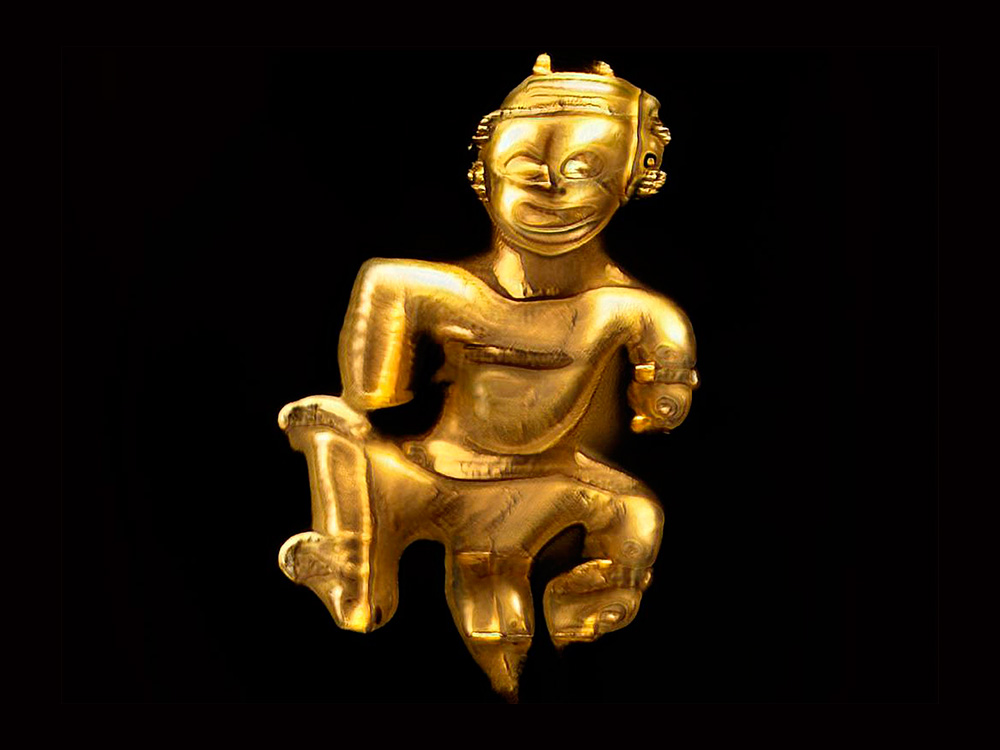
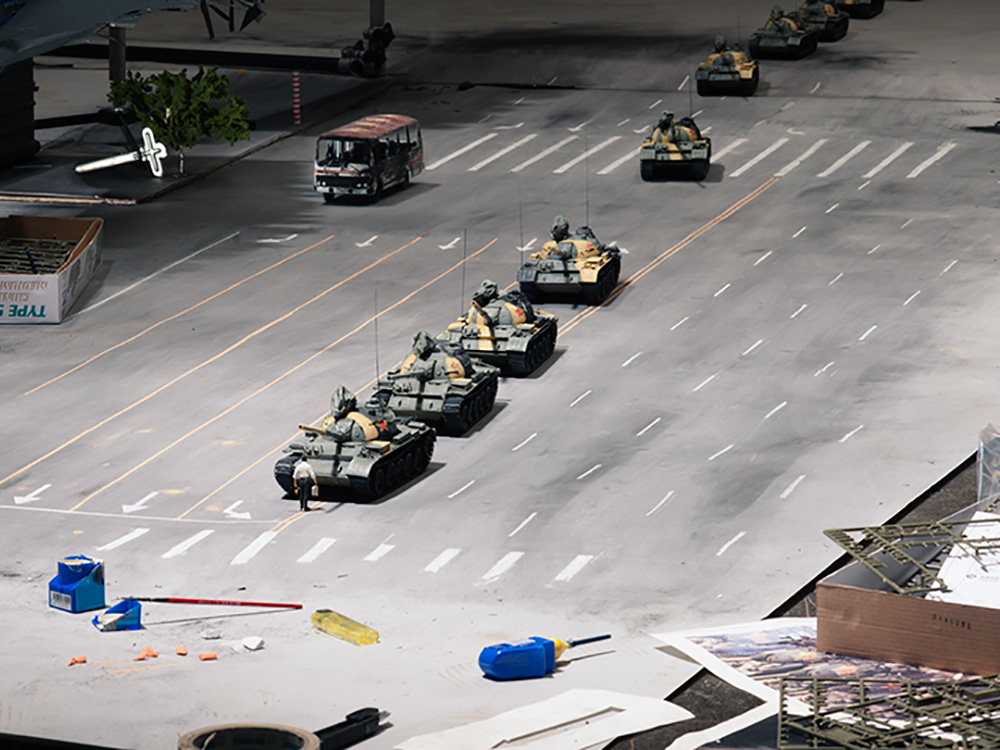
It is not surprising that, as Gloria Oyarzabal’s Usus Fructus Abusus (La blanche et la noire) and Juan Covelli’s Tesoro especulativo (Speculative Treasure) point out, Western museums stand out precisely for their inability to develop that imagination. Both works show how colonial plunder was part of the conception of many cultural institutions, based on white supremacy, which normalizes a relationship of exploitation towards the other. However, it is not only bodies that have been subjected to the regime of order and classification, as ecosystems and the planet itself have also been viewed through this extractive prism by science and the food industry. When I Image the Earth, I Imagine Another and Tomàquets (Tomatoes), by open-weather and Judit Bou respectively, put forward fragmented and multiperspective representations as a response. The former focuses on the planet, while the latter examines the cultivation of one of its countless fruits, the tomatoes. Their cartographies of images reject the decontextualized, isolated photography that occupies the visual imaginary of photographic history, as also proposed by the duo Cortis and Sonderegger with their Icons series. Reconstructing the most recognizable images of Western iconography in a studio, their meticulous work invites us to reflect on the way in which the world has been explained. In times when intricate situations turn into reductionist, catastrophic predictions, pointing out the complexities that these icons hide can be of great help. It is an exercise that offers tools to address and unravel overwhelming situations from emancipated positions, an apprenticeship that opens the door to being able to distinguish between the effect that the collapse of a system has on its ecosystems and social relations, and the effect that such a collapse has on the imagination.
Images allow us to represent ideas, past situations, intuitions or fantasies in the mind. They are the basis of the imagination and therefore it is essential to ask how they operate in order to exercise it freely. Images have a contradictory relationship with today’s concept of time, since they feed the sensation of a constant state of alarm but, at the same time, allow the creation of other temporal dimensions of resistance. Archivo Juárez by Alejandro ‘Luperca’ Morales, for example, appropriated permanently accessible global representation and corporate materials to overcome the barriers of the pandemic emergency when he wanted to visit his hometown. However, Las flores mueren dos veces (Flowers die twice) by Cristóbal Ascencio uses the ability of images to collapse past and present time in order to keep a truncated relationship alive and thus be able to interpret its unknowns. Images can help us create our own time, free from the historical, productive and dystopian impositions of the collapse of future time.
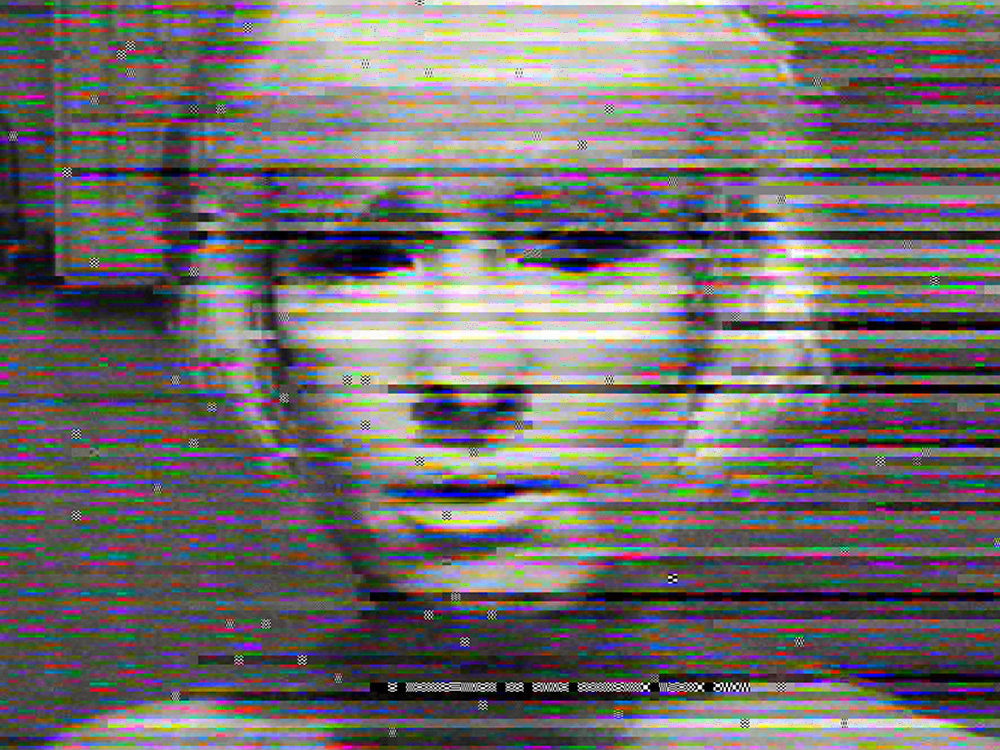
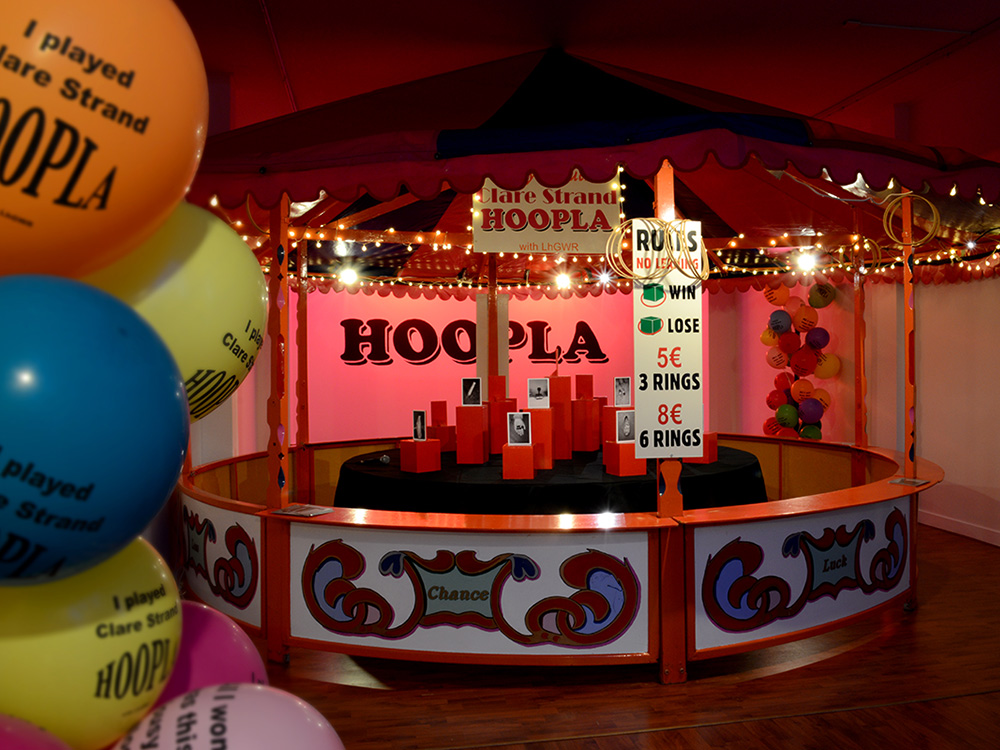
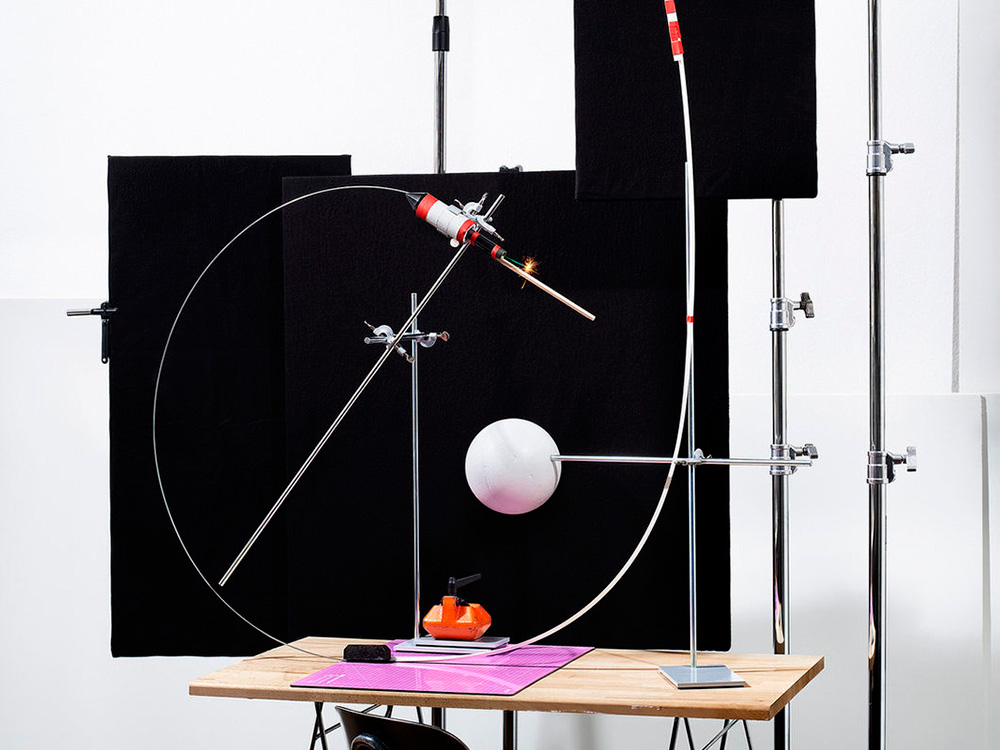
This strange moment enables us to take a critical look at various different photographic devices and the images they generate, way beyond their utilitarian conception. As Felix Schöppner’s Cognition series proposes, they can become tools that help us create images of theories, hypotheses and phenomena that we are capable of discerning, but not visualizing. Avoiding the logic of creativity and disruption that requires the constant production of content devoid of ideas can give way to other possible scenarios. The approach proposed by Clare Strand with All That Hoopla is a great example in which luck and chance replace the laws of the marketplace and the conservative mentality that predominates in contemporary photography. It is a field that largely ignores the incessant appearance of new technologies that have radically transformed the medium in recent years. Capitalist investors and computer scientists are now the ones who develop new image-producing devices and systems, unaware of their fundamental problems and ways of doing, which continue to spread, as Marco de Mutiis’s Photographies without Photographer demonstrates. Changing our point of view is especially important in the case of newer technologies, since it allows us to learn to read between the lines of code. The DCT Encryption Station projects by Rosa Menkman and Ted Davis and Public Access by David Horvitz open up these frameworks for reflection on the impact of algorithmic digitization in areas such as socialization, intimacy or public opinion.
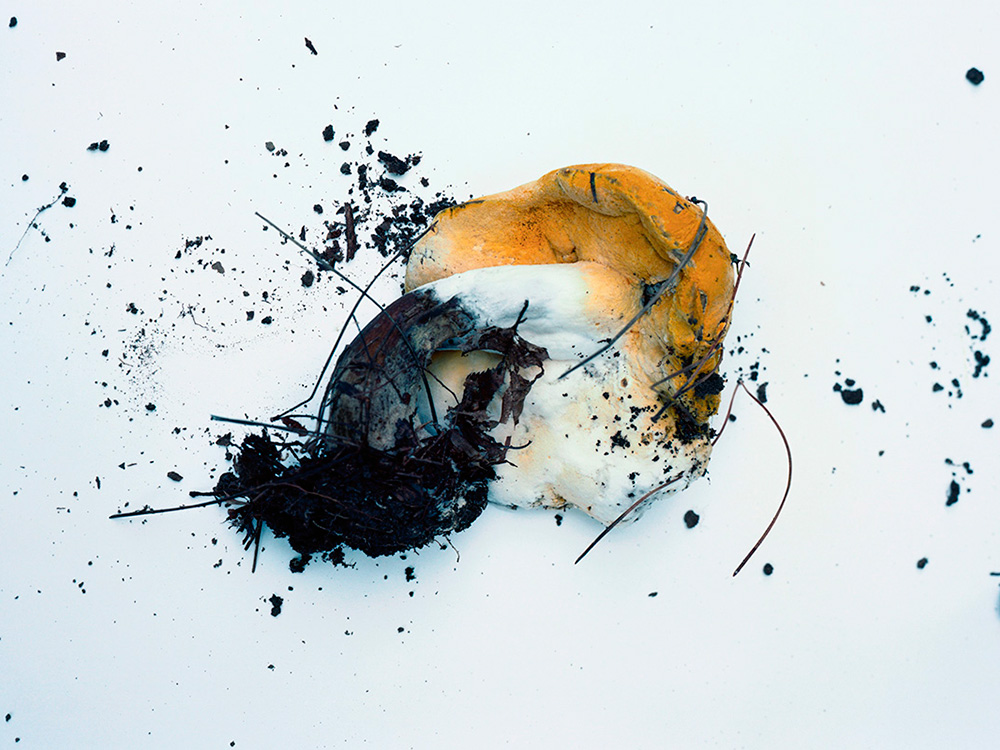
Critical imagination is the tool that allows us to think of a future beyond a visible and apparently inevitable end. It is what helps us discover that other possible worlds already exist in the ruins of capitalism, where, as Mushrooms from the Forest by Takashi Homma recounts, beings as strange and ignored by reason as mushrooms, are capable of imagining other possible scenarios.
(References)
GARCÉS, MARINA. Imaginación crítica. En: Garcés, Marina (coord.) «Ecología de la imaginación». Artnodes, no. 29. UOC. 2022
LOWENHAUPT TSING, ANNA. The Mushroom at the End of The World, Princeton University press. 2015
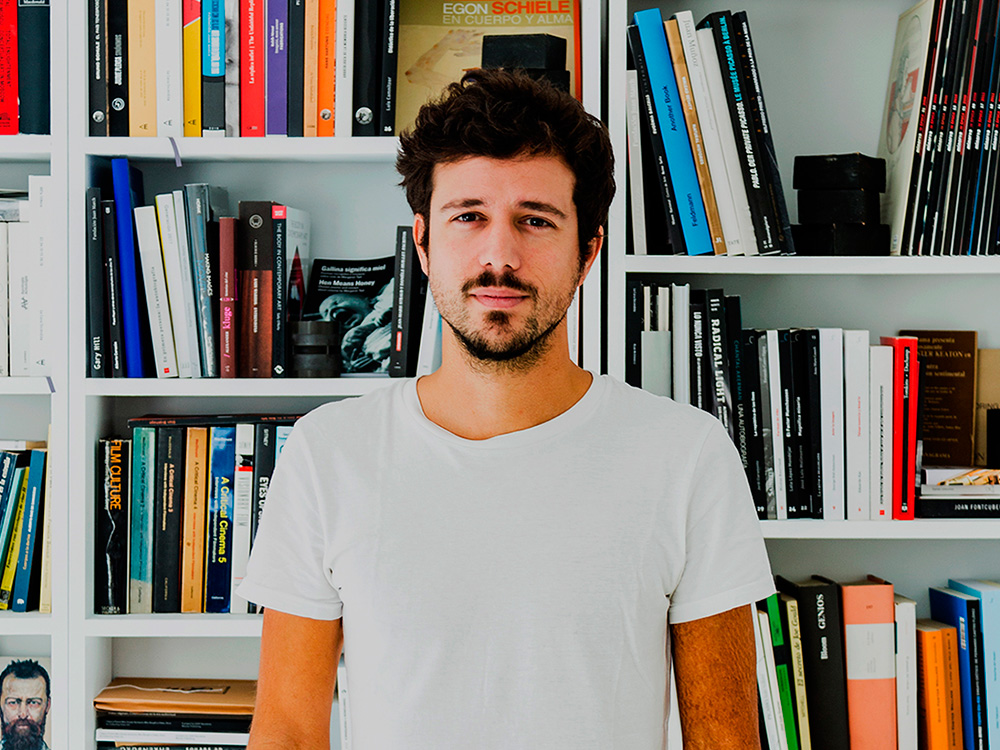
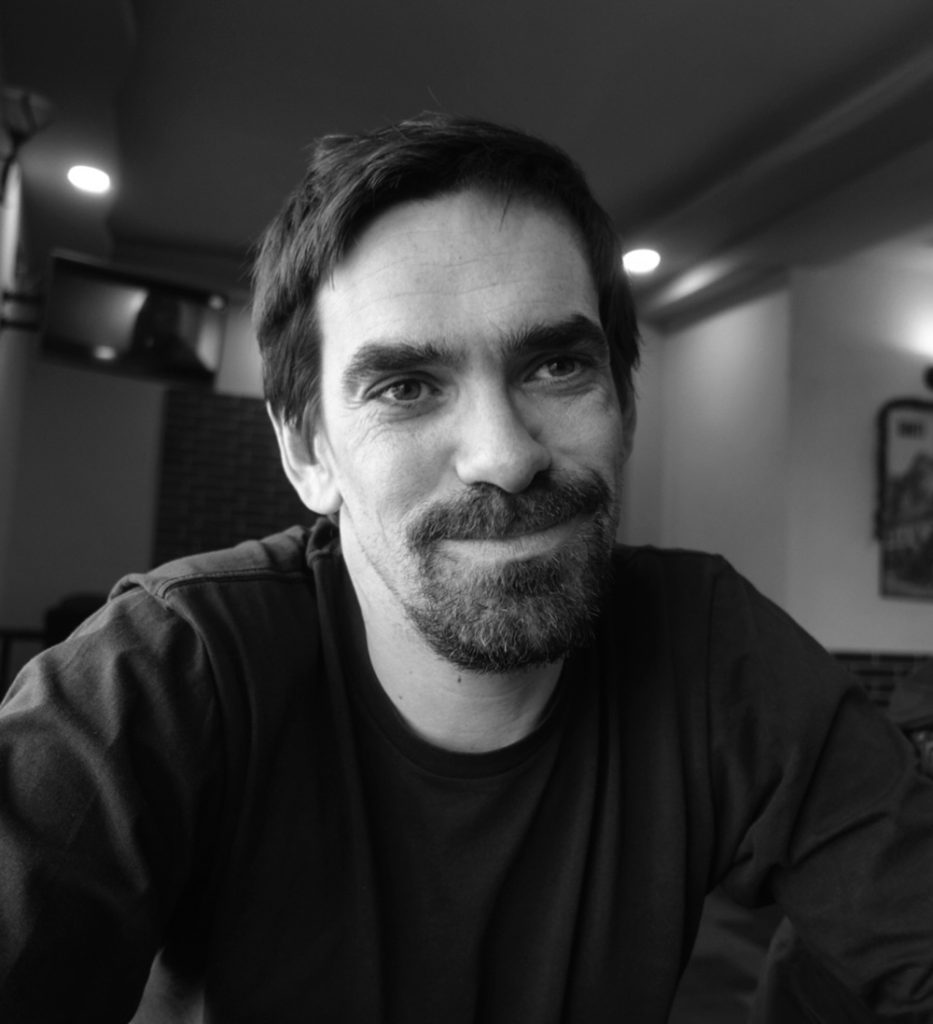
Jon Uriarte
Born in Hondarribia in 1980, he studied photography at the Institut d’Estudis Fotogràfics de Catalunya and the International Center of Photography of New York. He also holds a Master in Projects and Artistic Theories by PhotoEspaña and the European University of Madrid. His work has been exhibited in collective and individual exhibitions at different galleries and centers such as La Casa Encendida in Madrid, Koldo Mitxelena in Donostia, Studio 304 of New York, HBC center in Berlin and Sala d’Art Jove in Barcelona. He is also the founder of Widephoto, an independent platform dedicated to curating activities about contemporary photography. He conceptualized and coordinated DONE for three years, a project about reflection and visual creation promoted by Foto Colectania. Uriarte is currently living in London, where he works as digital curator of The Photographers’ Gallery.
Artists 2022Lock-in vol. 9Lock-in vol.9

Lock-in 2021 THERE ARE OTHER WAYS
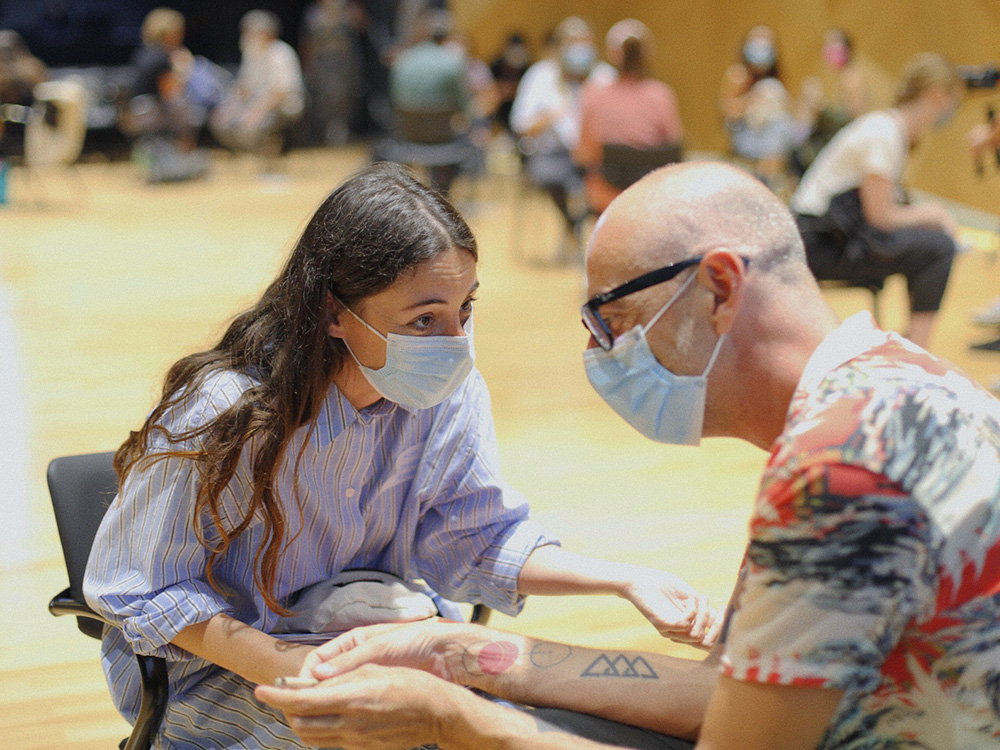
We did one of our favourite activities, a must-attend event. A space for the review and sharing of themes related to the contemporary image, with the participation of Clare Strand –British artist–, Susan Bright –independent curator–, Jon Uriarte –digital curator of The Photographer’s Gallery, London–, Karlos g. Liberal and Ujue Agudo –members from Bikolabs by Biko–, Damarice Amao –curator of the Centre Pompidou–, Juan Covelli –Colombian artist– or Gloria Oyarzabal –Spanish artist–. We had talks and conversations for a whole morning, in a calm atmosphere and in a place with no escape, neither for speakers nor for attendees.
PROGRAMME
Play, subversion and chance
To imagine another photography with Clare Strand and Susan Bright (eng*)Machine imagination
Exploring creativity in collaboration with machines with Karlos Liberal, Ujue Agudo from Bikolabs and Jon Uriarte (spanish)Re-imagining history
Decolonial practices in contemporary photography with Damarice Amao, Gloria Oyarzabal and Juan Covelli (eng*)*With simultaneous translation
BIOS
CLARE STRAND
Born in Brighton, UK, in 1973. Clare Strand is an artist who over the last two decades has worked with found and vernacular images, scrapbooks, kinetic machines, web programmes, fairground attractions or large-scale paintings, among others. She is an internationally recognised artist whose work has been widely exhibited in venues such as The Museum Folkwang, The Center Pompidou, Tate Britain, Salzburg Museum of Modern Art or the Victoria and Albert Museum. Her work is part of the collections of MOMA, SFMoma, The V&A, The Center Pompidou, The Arts Council of England or The NY Public Library. In 2020 Strand was nominated for the Deutsche Börse Photography Foundation Prize.
SUSAN BRIGHT
Born in Perth in 1969. Susan Bright is a British Australian independent curator based in London. She holds a PhD in Curating from Goldsmiths, University of London, and has specialised in lens-based arts and contemporary visual culture. She has curated international exhibitions at Tate Britain, The National Portrait Gallery in London and the Museum of Contemporary Photography in Chicago. She has been guest artistic director of festivals such as PhotoEspaña and f/stop 9: Festival für Fotografie in Leipzig and has authored seven books.
JON URIARTE
Born in Hondarribi, Basque Country, in 1980. He studied Photography in Barcelona and ICP New York and holds a master in Projects and Artistic Theories by PhotoEspaña and the European University of Madrid. His work has been exhibited in collective and individual exhibitions at different galleries and art centers in Madrid, San Sebastian, New York, Berlin or Barcelona. Founder of the independent platform Widephoto and former coordinator of DONE by Foto Colectania, he is currently the digital curator of The Photographers’ Gallery in London and curator of Getxophoto Festival.
DAMARICE AMAO
Born in France in 1984 and trained at the Sorbonne Université of Paris, Damarice Amao is an art and photography historian and assistant curator at the Photography Department of the Musée National d’Art Moderne Centre Pompidou. Damarice has co-curated exhibitions and co-authored the publications Eli Lotar (Jeu de Paume, 2017), Photographie, arme de classe / Photography: Class Weapon (Centre Pompidou, 2018) and Dora Maar (Centre Pompidou / Getty / Tate, 2019), among others.
UJUE AGUDO
Researcher at Bikolabs, the laboratory of the technology consultancy Biko2.com. Her work is to understand in a better way, through empirical experiments, the interaction between people and technology. She is also a postdoctoral researcher at the Experimental Psychology Laboratory of the University of Deusto and an associate professor at the University of Navarra and the Universitat Oberta de Catalunya. Her doctoral thesis, entitled “The influence of algorithms on human decisions and judgments. Experiments in contexts of politics, dating and art”, is a good example of her research interests: technology, human behaviour and influence.
KARLOS G. LIBERAL
Researcher at Bikolabs, the laboratory of the technology consultancy Biko2.com. With a cyberpunk spirit and more than 12 years of experience in the fields of web technologies, free software and open hardware, he believes that “beauty” can be found in code. Nowadays, he is part of the electronic experimentation collective Teknotrakitana, the founding partner of the cooperative Investic and he is involved in Interzonas.info.
JUAN COVELLI
Born in Bogota, Colombia, in 1985, Juan Covelli is an artist and independent curator. He teaches at the Universidad El Bosque / Universidad Javeriana and directs the online art platform Nmenos1. He has a degree in Political Science from the Universidad de los Andes in Bogotá, a Master in Creative Photography from the Escuela Efti in Madrid and a Master in Contemporary Photography from Central Saint Martins. He has recently recieved the Lumen Moving Image Award. His work has been exhibited in cities such as Warrington, Mexico City, Bogota, Montevideo, Yekaterinburg, London, Oslo and Moscow.
GLORIA OYARZABAL
Born in London in 1971. She divides her professional activity between film, photography and teaching. Gloria lived in Bamako for 3 years, researching on the construction of the idea of Africa, the colonization and decolonization or the diverse African feminisms. Her work has been exhibited in Lagos Photo (Nigeria), Athens Photo (Greece), PhototoEspaña, Format Festival (UK), Organ Vida (Croatia) or Kaunas Foto (Lithuania), among others. Some of the awards she has received are the Landskrona Dummy Award (Sweden), Discovery Award Encontros da Imagem (Portugal), Fotofestiwal GrandPrix (Poland), Images Vevey Photobook Award (Switzerland) or the Aperture Paris Photo Best Photobook Of The Year, among others.
Online 2022Participation 2022